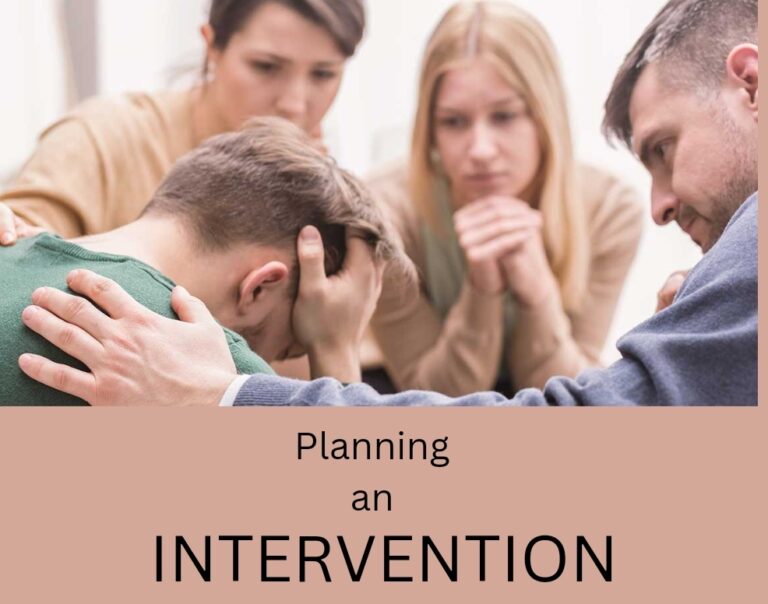
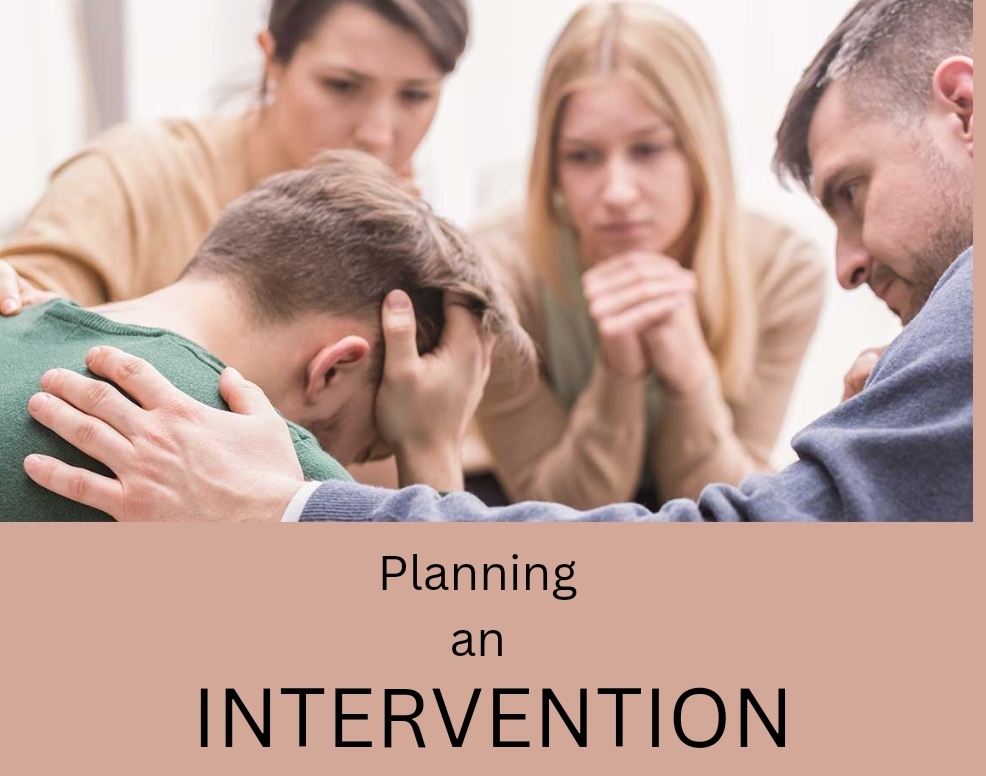
INTERVENTION: BOUNDARIES VS CONSEQUENCES

When working with a family and preparing them for an intervention, two very important topics are discussed at length. These topics are Boundaries and Consequences.

Boundaries are something that each family member puts into place in order to begin positive change in their own lives. Boundaries are protecting oneself and taking care of oneself. In other words no longer allowing  unhealthy and negative behaviors to dictate the course of your life.  

One example of a boundary can be saying, “Going to a movie with you when you are intoxicated is not enjoyable for me. It makes me feel very uncomfortable and anxious. Therefore I will not be going to a movie with you if you are under the influence. I’ll go with a friend instead.”  In this case, you are making the decision to not put yourself in an uncomfortable position, in order to truly have the fun and relaxing time that you deserve. 

Consequences are something different. A consequence is not a punishment. We do not punish adults, we punish children. instead, a consequence is allowing our loved one to experience the natural consequences of poor decision making. The poor decisions that are being driven by their active addiction. 

An example of a consequence would be no longer allowing the use of your car. Example: You have a son or daughter that borrows your car or even takes your car at will. Sometimes to go purchase drugs and/or alcohol. You can say, “Son/daughter, that car belongs to me and is insured in my name. You are often intoxicated when you choose to drive it. I also suspect that you are using it to go and buy drugs and/or alcohol. Therefore as of right now you are no longer allowed to use my car. You can take an Uber or a taxi if you need to go somewhere and I won’t be paying for it either.”  From that point forward you make sure that your loved one no longer has access to the car keys. This an example of what is a consequence and a boundary. Another example of a consequence is to not bail a loved one out of jail again. Maybe for the 10th time. No more rescuing!

If we do not allow our loved one to experience the natural consequences of their active addiction, then why would they change? They have no reason to! It is boundaries and consequences that will typically cause a person with an addiction to want to change and recover.

Remember that whatever boundaries and/or consequences are put into place, they must be followed through on. Otherwise, they are just empty words. If nothing changes, then nothing changes.

I hope that you find this information helpful. For more and a free half-hour consultation, please call me at 732-599-7817.

Love and light to you all!

Joe Ortiz
Interventionist
Certified CRAFT Method
Certified Break Free Method

RELATED POSTS

INTERVENTION: BOUNDARIES VS CONSEQUENCES Read More »

HOW TO CELEBRATE NEW YEARS SOBER

New Year’s Eve, like so many other holidays, is often steeped in drinking culture. Many attend parties where drinking is expected, and celebrate the New Year at midnight with champagne. For those in early recovery, it may feel like New Year’s Eve is a holiday that doesn’t mix well with sobriety. However, being sober doesn’t mean you can’t celebrate. There are several ways one can have a sober New Year’s Eve while still having fun.

Host Your Own Sober Party

One of the best ways to cut the booze out of New Year’s Eve would be to throw your own party. This would allow you to keep things sober. The party can be large or small, and can be relegated to close friends and family. It may be a good idea to invite those who you know are supportive of your recovery efforts. 

There are also ways to make the New Year’s Eve party fun and exciting without booze. For example, you could give the party a 1920s theme, and focus on creating ambience and encouraging dancing. You could also host a party game, like hosting a murder mystery night. Overall, there are plenty of ways to organize a sober New Year’s Eve party.

Take a Vacation for a Sober New Year’s Eve

New Year’s Eve is also a great time to take a vacation. You won’t be expected to attend a New Year’s Eve party if you’re away from home. While vacations can be expensive, they can also be a great way to start off the New Year. Time off from work and your usual routine can be an effective way to disconnect from your life. Spending time relaxing can help foster better mental health in the New Year.

There are plenty of places to go on a sober vacation during winter. Maybe you and your friends could organize a ski trip during the New Year. Perhaps you want to escape the winter weather by heading south. There are also several countries that don’t celebrate the Gregorian calendar New Year, and hence can make great destinations to avoid the New Year’s celebrations.

Keep it Small for a Sober New Year’s Eve

One of the best strategies would be to keep whatever sober gatherings you have small. When in early recovery, you’ll want to surround yourself with caring and understanding individuals. Friends and close family members that are supporting you during your recovery may be willing to help you through New Year’s Eve.

There are dozens of sober activities you can do with close friends. For example, maybe instead of watching the ball drop you want to host a movie night, filled with junk food and soda. Or perhaps you’d rather spend time with your friends hiking or doing a team activity like an escape room. Cooking is always another good way to spend time with close friends. Organizing a bake-off or preparing a grandiose dinner can be a great way to spend the evening.

You’re Not Alone

Whichever strategy you opt for to have a sober New Year’s Eve, it’s important to know that you’re not alone. There are millions around the globe who are struggling with alcohol and drug addiction and spend New Year’s Eve sober. While sobriety takes resolve, there’s nothing about it that means one cannot have a good time. By following the guide above, you can have a safe, healthy, sober, and fun New Year’s Eve celebration.

Addiction is a family disease. Recovery is the family solution. Happy New Year to you all!

Joe Ortiz, Interventionist

Joe Ortiz
Interventionist
Certified CRAFT Method
Certified Break Free Method

RELATED POSTS

HOW TO CELEBRATE NEW YEARS SOBER Read More »

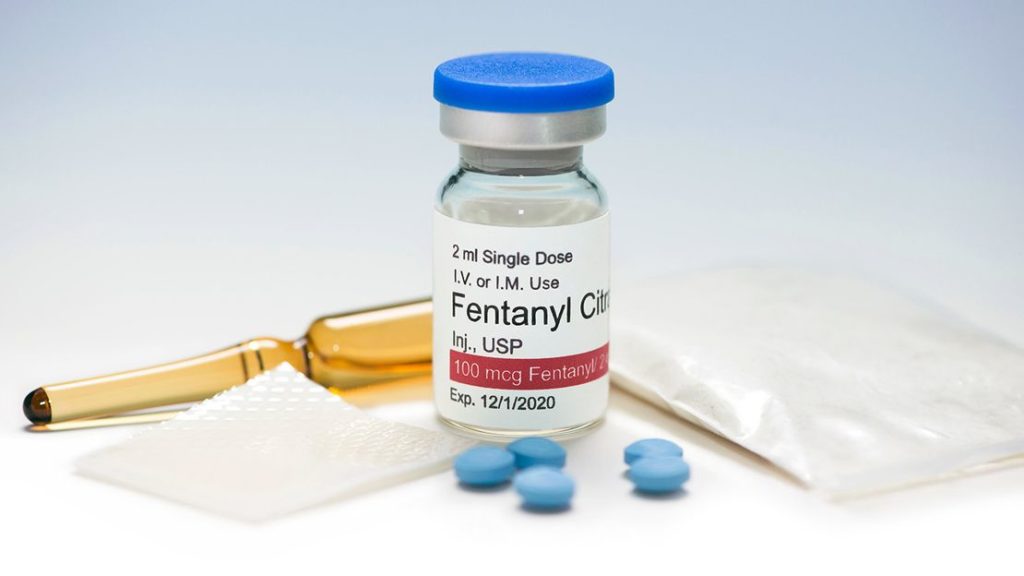
WHY DO DRUG DEALERS LACE OTHER SUBSTANCES WITH FENTANYL?

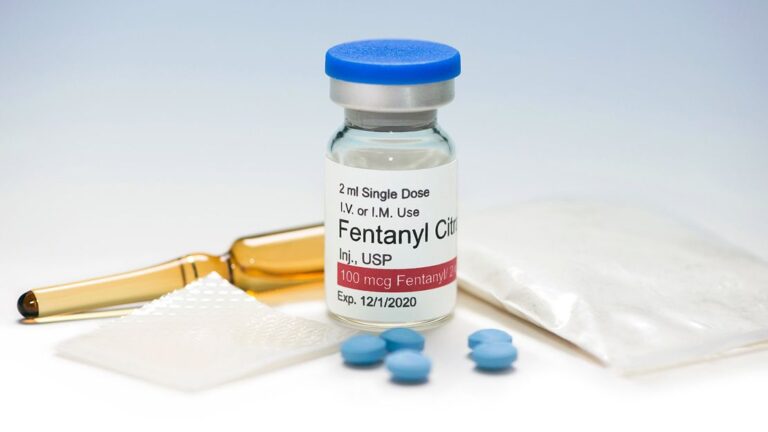
Fentanyl is a synthetic opioid that is 50 times stronger than heroin and 100 times more potent than morphine. According to the CDC, this substance is a major contributor to overdoses that occur in the United States.

While there are two different types of fentanyl (pharmaceutical fentanyl and illicitly manufactured fentanyl) most cases of fentanyl-related overdoses stem from the illicit form. Pharmaceutical fentanyl is used to treat severe pain, while the illicit form of the drug is typically used as an adulterant in other drugs.

According to the CDC, “Over 150 people die every day from overdoses related to synthetic opioids like fentanyl.” Because of this, people must be aware of the fact that drugs are often laced with fentanyl and understand why drug dealers do this.

What Drugs are Commonly Laced With Fentanyl?

Fentanyl is often mixed in with other substances, making this drug extremely dangerous. Fentanyl is a highly potent opioid drug, as only a small amount of the substance can lead to a fatal overdose.

Fentanyl is often an adulterant in the following drugs:

  • Powdered drugs like cocaine or heroin
  • Capsules of drugs like molly
  • Pressed pills meant to mimic medications like Xanax or Oxycodone

Experts consider 2 mg of fentanyl to be lethal, but many counterfeit pills contain up to 5 mg (more than twice the lethal dose).

While this may sound like a lot, this is actually a very small amount of fentanyl. For example, 2mg of fentanyl doesn’t even equal the size of a penny. This means that overdosing on the drug is extremely easy.

All drugs that are sold illicitly have the potential to be laced with fentanyl. While some drugs are more commonly adulterated with this substance (like Xanax or Oxycodone pills) they can be found in any type of drug. Even though fentanyl is an opioid, it may be found in other forms of drugs like benzodiazepines, stimulants, and amphetamines.

Why Do Drug Dealers Lace Drugs With Fentanyl?

Drug dealers have been using fentanyl as an adulterant since 1979. While it was less common back then, the number of laced drugs has risen substantially. From May 2020 to April 2021, more than 100,000 Americans died from a drug overdose and over 64% of those deaths were due to synthetic opioids like fentanyl.

But why do drug dealers lace other drugs with fentanyl? If the drug is so potent that it has the potential to kill off customers, what is the gain?

Most of the time, drug dealers are mixing other drugs with fentanyl because it costs them less money, creates a more potent high, and increases their loyal customer base.

Potency

Fentanyl is 100 times more potent than morphine, making it extremely powerful. This is one of the many reasons that drug dealers use the substance as an adulterant in other drugs.

Using fentanyl to lace other drugs allows drug dealers to stretch out their products. Adding fentanyl to a substance means that the drug dealer can sell less of the actual product, as fentanyl makes drugs feel more potent. Increasing potency also makes the user feel like the product they are buying is quality, making them return to the dealer for more.

Cost

Because fentanyl is so potent, it only takes an extremely small amount. As mentioned above, only 2 mg of fentanyl can kill a person, meaning most dealers will use less than 2mg of fentanyl as an additive in their drugs. This allows drug dealers to cut their cost of production, allowing them to make more money off of the drugs they sell.

Building a More Reliable Clientele Base

When a drug dealer adds fentanyl into a substance, it becomes a lot more potent. People who use drugs are looking for substances that create a strong high. Fentanyl makes drugs more addictive than they already are because they are stronger and more appealing to some drug users.

This combination of factors helps drug traffickers build a larger base of reliable, loyal customers, who keep coming back for more.

How to Know if a Drug is Laced With Fentanyl

Fentanyl comes in many different forms, but drug dealers usually use liquid or powdered fentanyl as an adulterant in their drugs. Unfortunately, fentanyl does not have a distinct smell, look, or taste, so many individuals have no idea that their drugs are tainted with the substance.

The only surefire way to tell if your drugs are laced with fentanyl is to use fentanyl testing strips. People who routinely abuse illicit drugs can avoid overdose by testing their drugs with fentanyl testing strips.

According to the CDC, “Test strips are inexpensive and typically give results within 5 minutes, which can be the difference between life or death.”

If someone takes drugs that are tainted with fentanyl, they may experience the signs of a fentanyl overdose. If someone displays the following signs, emergency medical services must be contacted immediately:

  • Small pupils
  • Falling asleep or losing consciousness
  • Slow, weak, or stopped breathing
  • Choking or gurgling sounds (death rattle)
  • Limp body
  • Cold, clammy skin
  • Bluish-colored skin (especially on lips and nails)

Naloxone (Narcan) should also be administered, if available, in the event of a fentanyl overdose.

Finding Help for Drug Addiction

If you or a loved one abuses illicit drugs, it’s time to seek help. Many drugs on the street are being mixed with a dangerous substance known as fentanyl, which can cause a fatal overdose after only taking a small amount of the drug.

If you or a loved one are struggling with addiction, there is no better time to get help. Contact me, Joe Ortiz, if you or someone you love needs assistance at 732-599-7817. Transcend Intervention is the start of your loved one’s recovery.

Joe Ortiz
Interventionist
Certified CRAFT Method
Certified Break Free Method
RELATED POSTS

WHY DO DRUG DEALERS LACE OTHER SUBSTANCES WITH FENTANYL? Read More »

TIPS FOR HOLIDAY SOBRIETY

How to Survive the Holidays Sober Together

Maintaining sobriety can be especially hard during the holiday season when you can feel pressure from family or colleagues to indulge. Here are some ways to resist peer pressure and honor your commitment.

Prepare yourself. Be prepared for people to notice and ask questions or make assumptions. You can practice your response ahead of time to help you feel more comfortable in claiming your sobriety as a personal choice. You don’t have to go into a long explanation. If anyone asks why you’re not drinking, you can simply state that you’re “living a healthier lifestyle which doesn’t include drinking”.  If people continue to pressure you, politely say “no thank you” and walk away to engage with others and enjoy yourself. 

Manage “FOMO.” You may feel a “fear of missing out” or like you don’t belong anymore, especially if the gatherings have a heavy emphasis on drinking. Root into your reasons for choosing sobriety and celebrate that you are being true to yourself.  Some folks in early recovery (or even later stages of recovery) chose to arrive a little late to the gathering and leave a little early. This way they can enjoy the party but not feel overwhelmed.    

Take the spotlight off you. People love to talk about themselves. If you feel especially self-conscious without any “liquid courage,” take a moment to soothe and calm your nervous system by taking some deep breaths. Then as you look around the room, describe three things you like. Next, try asking people questions and focus on really staying present. In this age of distractions, people crave undivided attention. Your genuine interest is a gift they will remember. 

Trust that in time all of this will get easier. If you are the host, let guests know that alcohol will not be provided and that they should bring their own if they want it. You don’t need to feel bad or embarrassed. Some guests sometimes bring alcohol to a gathering. Other times they also chose not to drink. As time goes by, each outing and gathering will get easier!

If you or a loved one are struggling with alcohol and/or drugs and you’d like some help, please call me. Let’s come up with a solution together! Please contact me, Joe Ortiz, to learn more. You can call me at 732-599-7817 or fill out the private contact form on this website. Thank you! 

Joe Ortiz
Interventionist
Certified CRAFT Method
Certified Break Free Method

RELATED POSTS

TIPS FOR HOLIDAY SOBRIETY Read More »

HOLIDAY INTERVENTIONS

Should I wait to do an Intervention until after the holidays?

When a person suffers from a substance abuse disorder, some members of his or her family and friends may think that it would be better to wait until after the holiday season is over to stage an intervention. However, the fact is that delaying an intervention for any reason at all increases the chances of an addiction further spiraling out of control. Addiction is progressive disease and only gets worse as time passes.

Why Conducting an Intervention During the Holidays Can be Particularly Effective:

1. Addiction doesn’t stop when the holiday season starts.

The holidays are a time that people look forward to; however, the season can be stressful, as well. It’s not uncommon for someone with a substance abuse problem to increase the amount that they use or drink during this time of year. They may be attending several social events or have vacation time during the holidays, which allows for more time to consume even more alcohol and/or their drug of choice.


2. Waiting won’t make the situation any better.

If you’re waiting for the “right” time to approach your loved one about their addiction, there really isn’t one. The saying, “There’s no time like the present” applies to scheduling an intervention. You may have heard that someone with substance abuse issues needs to “hit rock bottom” or “needs to want help” before an intervention can be successful. Both statements are myths. While waiting for someone with addiction to hit their personal rock bottom, they may be involved in an auto accident that will injure themselves or someone else, lose their job, lose their home or experience some other negative life event. It isn’t likely that your loved one will decide that they want help to stop their addiction. They will continue to drink or use drugs, and the addiction will become more ingrained and harder to treat.

3. Holidays are a good time to gather family and friends for the intervention.

When you’re putting together the team of people who will be participating in the intervention, ask yourself whether there is anyone whom your addicted loved one may hold in particularly high esteem. If so, make a point of asking this relative or childhood friend, who may not have seen your loved one for some time, to attend the intervention. Their memories of your loved one before the addiction took hold and hope for a sober future may help to influence them to make a positive change.

4. The holiday season is a time for gift-giving. Through an intervention, your family can help to give the gift of sobriety.

Your loved one did not start their drinking or substance abuse with the expectation of developing an addiction. No one who picks up a drink or uses drugs ever does.

Most people who have a substance abuse problem need help to stop. Holding an intervention over the holiday season sends a powerful message that your family is not prepared to stand by and let your loved one continue on the same path any longer.

Transcend Interventions provides alcohol, drug, mental health and eating disorders Intervention for all who are struggling. Clients receive an individualized Intervention which focuses on Recovery for the whole family and especially their afflicted loved one. The Intervention process will begin everyone’s healing and set them on new ground. Family and Friends will learn a new perspective and approach to the problem to help them all get better.

These are just few reasons why RIGHT NOW is the time to help your addicted loved one. It is always best for the family to hire a professional and not try doing this process on their own. They may only have one chance at doing it right.

Please contact me, Joe Ortiz, to learn more. You can call me at 732-599-7817 or fill out the private contact form on this website. Thank you!

Joe Ortiz
Interventionist
Certified CRAFT Method
Certified Break Free Method

RELATED POSTS

HOLIDAY INTERVENTIONS Read More »

How do I find the best treatment for a loved one struggling with Mental Illness and/or Substance Use Disorder?

There are so many addiction and mental health programs and facilities out there. It can make finding the right treatment for a loved one very challenging and leave a family feeling overwhelmed.
There is so much to consider since we all want what’s best for our loved ones. 

Some considerations are: 

  1. Does the program specialize in the condition my loved one is suffering from?
  2. Do they have a good reputation and how do they rate?
  3. Do they accept my loved one’s health insurance and will we incur any out-of-pocket costs?
  4. Does my loved one need inpatient or outpatient treatment?
  5. Does the facility offer transportation?

These are just a few of the questions you’d want to ask. A reputable program will have a strong admissions/intake department to help you answer some of your questions. However, it is very important to do your own research. 

Another option is to find a Treatment Placement Specialist who can help you navigate this process in order to secure the best treatment for your loved one. A good Treatment Placement Specialist typically will have existing relationships with well-vetted programs already established. He/she will help you come up with the best short and long-term treatment plan possible for your specific needs. In addition to Interventions and Sober Coaching, I am also a Treatment Placement Specialist prepared to assist any family in this endeavor.
Please contact me, Joe Ortiz, if you or someone you love needs assistance at 732-599-7817.

Joe Ortiz
Interventionist
Certified CRAFT Method
Certified Break Free Method

RELATED POSTS

HOW DO I FIND THE BEST TREATMENT FOR A LOVED ONE STRUGGLING WITH MENTAL ILLNESS AND/OR SUBSTANCE USE DISORDER? Read More »

WHO SHOULD GUIDE A FAMILY THROUGH A DRUG/ALCOHOL INTERVENTION?

When planning and conducting an intervention, families often choose friends, family members, and other loved ones. While this sometimes may work, oftentimes it does not produce the wanted results.

Interventions are often an unpredictable process and people may not react in ways that you have planned for. The addicted loved one may deny that they have a problem, may attempt to deflect and blame others and resist treatment. The participants may get too emotional and lose their composure. All of which helps to create a situation where the intervention becomes a “confrontation” as opposed to a “conversation”.

For these reasons, addiction professionals often recommend a professional who is trained in moderating an intervention. A professional whose responsibility is to lead and guide the conversation. The professional interventionist is trained in navigating complex family dynamics and overcoming unplanned challenges during the process.

Joe Ortiz
Interventionist
Certified CRAFT Method
Certified Break Free Method

RELATED POSTS

WHO SHOULD GUIDE A FAMILY THROUGH A DRUG/ALCOHOL INTERVENTION? Read More »

SOME OF THE IMPORTANT STEPS OF AN INTERVENTION

When a professional interventionist is working with a family, there are some steps that are vital to a successful process. Here are just a few:

1. Building a strong Intervention Team- The team normally consists of specific family members and/or friends who are committed to the process. These are loved ones who will work together and present a united front in order to deliver a strong message. A message that says, “we love you, we are here for you, we want change for our whole family, we will support your efforts to recover 100%, but we will no longer support your addiction.”

2. Treatment Planning- While preparing the family for the intervention, the Interventionist will be working on a treatment plan. This is done with the families input and with careful consideration of the families health insurance and finances. It is important to have a treatment plan in place so that when their loved one accepts help he/she can get right to work on their recovery.

3. Education: The family should learn about the nature of addiction, the nature of enabling and also on how to set healthy boundaries. It is very important to help the family have a better understanding of addiction. It is also very important to identify ways that they’ve utilized to try an address the problem that may not be working. Learning a new approach, perspective and way to communicate are key!

4. Letter writing: Letters are typically used during the actual intervention meeting. A template is provided to the family along with support and guidance, so that what is drafted will be impactful upon reading it to their loved one.

These are just four examples of some of the very important steps needed in order to conduct a successful intervention. It is always best for the family to hire a professional and not try doing this process on their own. They may only have one chance at doing it right.

Please contact me, Joe Ortiz, to learn more. You can call me at 732-599-7817 or fill out the private contact form on this website. Thank you!

Joe Ortiz
Interventionist
Certified CRAFT Method
Certified Break Free Method
RELATED POSTS

SOME OF THE IMPORTANT STEPS OF AN INTERVENTION Read More »

HELPING FAMILIES OVERCOME ADDICTION

What is a Family Intervention?

When people think of family interventions, they inevitably think of a confrontation between themselves and their addicted loved one. Some believe an intervention is only what they see on television. Most people do not understand that an intervention is a process. It is not a one time event. This process is ultimately used to help a family and their addicted loved one move towards change. 

Understanding the importance of a professional intervention and how they work is essential.

An intervention is a pre-planned strategy to calm a volatile situation and improve it. An intervention, by definition, is when specific methods are used to address particular problems or behaviors to achieve specific goals.

A professional family intervention is when an interventionist forms specific intervention strategies for and with the family of a substance user. The ultimate goal is to help the addicted loved one see the need for change and accept help by way of a predetermined treatment plan.

One of the most important roles of the interventionist is to identify problems and potential behaviors that may not be helping. The idea is to help the family see how their current strategies may actually be working against them and preventing the substance user from accepting help. 

Some of what interventionist will educate and coach the family on also includes:

  • The addiction’s impact on the family as a whole and as individuals.
  • An overview of addiction
  • Codependency, enabling, and reactivity
  • The importance of family recovery
  • The benefits of long-term treatment

As the interventionist learns of the family dynamic and more about the behaviors of their addicted loved one, he or she will modify and customize the intervention process accordingly. Any new information obtained during the family preparation will be considered and more modifications may be made. The idea is being as prepared as possible in order to have the impact needed so that their loved accepts the help they so desperately need.

Finally, a well planned and effective intervention process helps to begin the healing process for the entire family and not just their addicted loved one. Everyone caught up in the destructive cycle of addiction deserves to recover and live happy and healthy lives. 

Helping families and their loved ones affected by alcohol and drug addiction.

We understand how addiction impacts families. 

Our services are geared to help families and their loved ones heal!

Joe Ortiz
Interventionist
Certified CRAFT Method
Certified Break Free Method
RELATED POSTS

HELPING FAMILIES OVERCOME ADDICTION Read More »

What to Do When a Loved One Relapses

Recognizing and understanding the problem, and helping a loved one reach the point of accepting treatment and entering into recovery, is an important milestone. But what happens after they have been treated and start to use or drink again!?

Watching a loved one relapse can be gut-wrenching. It’s normal to experience a flood of emotions. You may feel angry, sad, scared, and resentful. You thought this was behind you and your family, and now, here you all are again. The truth is that like any other disease an individual can regress or relapse. But that does not mean that your loved one is doomed to a life of addiction.

It’s easy to become frustrated by your loved one’s repeated attempts to stop using drugs and/ or alcohol. It’s very easy to think that if they wanted to stop, they would just stop. It may seem that simple in the mind of someone who has never struggled with addiction, but it isn’t that simple at all. In fact, drug and alcohol relapse is a common part of addiction recovery. SO NOW WHAT? What can a family do to help their loved one?

FAMILY INTERVENTION 

It is difficult if not impossible to see the situation from the stage. A clearer understanding most often comes from the view in the balcony. The intervention process helps families see from a different perspective.

Being emotionally attached and overwhelmed can compromise the family’s ability to find a successful solution. A professional Interventionist is able to see things from a different perspective and help determine if a family intervention is appropriate.

The Many Ways Addiction Affects The Family

Battling a substance use disorder is viewed by many as a personal experience. Because harmful substances have devastating effects on the user, many may not take into consideration the other people involved. Spouses, children, and parents may all be impacted by the way addiction affects the family.

The effects of drug and alcohol addiction can be both short-term and long-term. Peaceful, loving homes can be divided by the strain caused by drug and alcohol abuse. Conflict becomes normal as family members fight to engage with their loved one who abuses alcohol, for example. Trust begins to erode. Family members may become more guarded when a loved one is abusing illicit substances acts with aggression or hides their disorder in secrecy. Marriages can end due to changes caused by addiction. Communication becomes increasingly difficult, if not impossible, which only heightens frustrations.

GET HELP 

Compounding the aforementioned challenges and frustrations is the fact that recovering from a relapse can be very difficult for an individual who suffers from addiction. Some folks in recovery say that recovering from the relapse was harder than getting sober the first time around. This is often due to their feelings of disappointment in themselves, accompanied by feelings of guilt and shame. A well planned intervention can help get your loved one and your family back on track and back to recovery. Interventionist Joe Ortiz can serve as your guide and support throughout this process! 

Joe Ortiz
Interventionist
Certified CRAFT Method
Certified Break Free Method

RELATED POSTS

WHEN THE FAMILY OF AN ADDICTED LOVED ONE HAS REACHED ITS BOTTOM Read More »

Scroll to Top
Privacy Overview

This website uses cookies so that we can provide you with the best user experience possible. Cookie information is stored in your browser and performs functions such as recognising you when you return to our website and helping our team to understand which sections of the website you find most interesting and useful.