
THE DAY WE LOST PRINCE TO FENTANYL

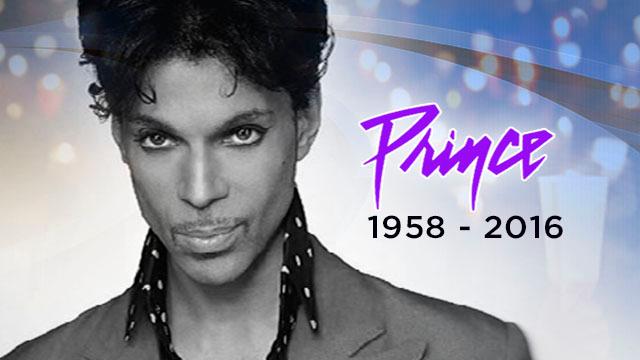
Seven years ago, on April 21, 2016, the world lost one of the most talented musicians and artists of our time, Prince Rogers Nelson. Millions of people were stunned by Prince’s sudden passing. Millions of people all around the world mourned him. How could this amazingly talented, prolific, trailblazing, living legend die so suddenly? Eventually, we would all learn that a hidden addiction to the opioid fentanyl was what ultimately took his life. His official cause of death was declared to be an “accidental fentanyl overdose”.

For me, Prince’s death was personal. When he died, I felt as if I had lost a close friend. You see, I have been a Prince fan since I was 16 years old. For most of my life he has been my musical hero. I bought all his albums and saw him in concert at least 15 times. I remember exactly where I was and what I was doing when I found out about his passing. A close friend had text me saying, “I’m sorry about Prince. Are you ok?” Yes, that is how much this awesome man meant to me. Other friends began to call and check in on me and continued to for several days. I’m not ashamed to say that I was a wreck for the next four days.

What can we learn from Prince’s death? We can learn about the fact that this same tragedy happens every day and to all sorts of people. Like so many in our country and in the world, Prince became addicted to opioids after they were prescribed to him by physicians. Prescribed to manage his chronic pain. Specifically, hip pain which he acquired through his many years of dancing and famous splits.

In the same way as Prince, thousands of folks, with no previous history of addiction, are prescribed these medications and end up becoming physically and mentally dependent on them. Eventually, their doctors catch on to this fact and stop prescribing the opioids to their now addicted patients. This often leads to these people seeking out the drug on the streets, where you never know what dose you’re going to get or if it’s going to be a fatal one.

I want to pause here and say that in my opinion, the vast majority of physicians writing these types of prescriptions, are trying to help their patients and not hurt them. In no way am I trying to villainize all the good doctors out there. No way. Not at all.

I have spoken to countless people who unknowingly became addicted to opioids or have lost someone to an opioid overdose. I have met executives, millionaires, hospital administrators, and high school athletes who sustained an injury or required some type of surgery and eventually ended up addicted to opioids because they were prescribed to them for pain. Most of them had never struggled with any type of Substance Use Disorder prior to this. Sadly, some of them were not able to recover from their addiction and eventually suffered an overdose, leaving hearts broken and lives changed forever.

We must end the stigma that still exists around Substance Use Disorder or Addiction. This can happen to ANYONE. No one grows up wanting to become dependent on drugs and/or alcohol. Most times, we don’t see our addiction coming. We only realize it once we are already in the grips of it and when we try to stop, we find it to be nearly impossible. I hit a terrible bottom and nearly died because of my addiction and even then, I had a very hard time recovering. In recovery circles, it is said that addiction is cunning, baffling, and powerful. I can fully attest to that and many others can too! BUT…..Recovery is Possible! I see it happen every day!

If you are struggling with an opioid addiction or have a loved one who is struggling please don’t hesitate and take action now. There is help and there is hope! You are not alone! Whether its treatment or an intervention that you need, call me at 732-599-7817.

Thank you for the lessons you taught us, Prince. The lessons you taught us in your music, your life, and even in your passing.

Love and Light to You All!

Joe Ortiz
Interventionist
Certified CRAFT Method
Certified Break Free Method

RELATED POSTS

THE DAY WE LOST PRINCE TO FENTANYL Read More »
WHY DO DRUG DEALERS LACE OTHER SUBSTANCES WITH FENTANYL?

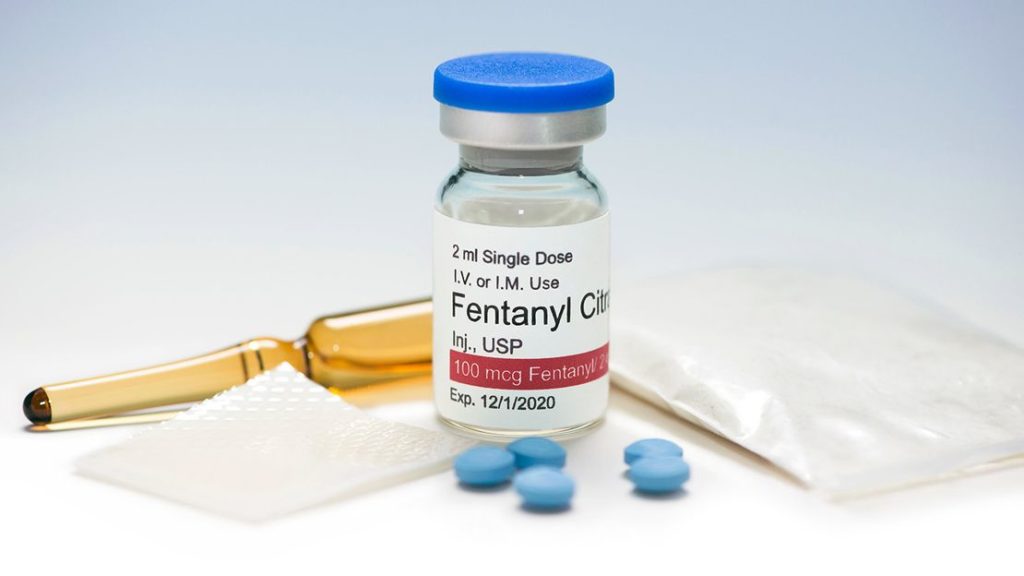
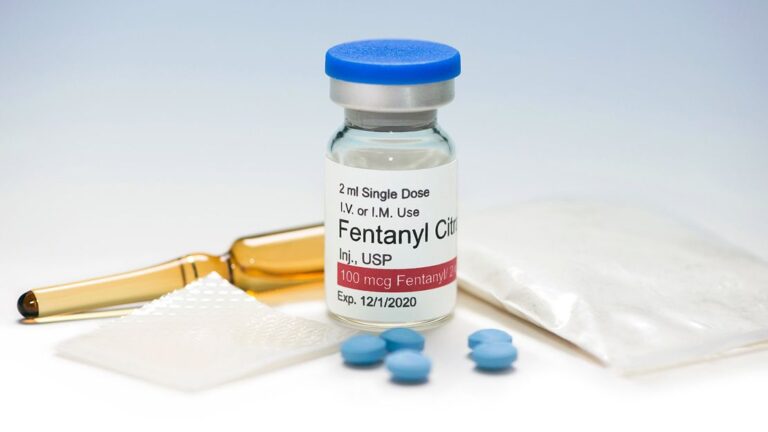
Fentanyl is a synthetic opioid that is 50 times stronger than heroin and 100 times more potent than morphine. According to the CDC, this substance is a major contributor to overdoses that occur in the United States.

While there are two different types of fentanyl (pharmaceutical fentanyl and illicitly manufactured fentanyl) most cases of fentanyl-related overdoses stem from the illicit form. Pharmaceutical fentanyl is used to treat severe pain, while the illicit form of the drug is typically used as an adulterant in other drugs.

According to the CDC, “Over 150 people die every day from overdoses related to synthetic opioids like fentanyl.” Because of this, people must be aware of the fact that drugs are often laced with fentanyl and understand why drug dealers do this.

What Drugs are Commonly Laced With Fentanyl?

Fentanyl is often mixed in with other substances, making this drug extremely dangerous. Fentanyl is a highly potent opioid drug, as only a small amount of the substance can lead to a fatal overdose.

Fentanyl is often an adulterant in the following drugs:

  • Powdered drugs like cocaine or heroin
  • Capsules of drugs like molly
  • Pressed pills meant to mimic medications like Xanax or Oxycodone

Experts consider 2 mg of fentanyl to be lethal, but many counterfeit pills contain up to 5 mg (more than twice the lethal dose).

While this may sound like a lot, this is actually a very small amount of fentanyl. For example, 2mg of fentanyl doesn’t even equal the size of a penny. This means that overdosing on the drug is extremely easy.

All drugs that are sold illicitly have the potential to be laced with fentanyl. While some drugs are more commonly adulterated with this substance (like Xanax or Oxycodone pills) they can be found in any type of drug. Even though fentanyl is an opioid, it may be found in other forms of drugs like benzodiazepines, stimulants, and amphetamines.

Why Do Drug Dealers Lace Drugs With Fentanyl?

Drug dealers have been using fentanyl as an adulterant since 1979. While it was less common back then, the number of laced drugs has risen substantially. From May 2020 to April 2021, more than 100,000 Americans died from a drug overdose and over 64% of those deaths were due to synthetic opioids like fentanyl.

But why do drug dealers lace other drugs with fentanyl? If the drug is so potent that it has the potential to kill off customers, what is the gain?

Most of the time, drug dealers are mixing other drugs with fentanyl because it costs them less money, creates a more potent high, and increases their loyal customer base.

Potency

Fentanyl is 100 times more potent than morphine, making it extremely powerful. This is one of the many reasons that drug dealers use the substance as an adulterant in other drugs.

Using fentanyl to lace other drugs allows drug dealers to stretch out their products. Adding fentanyl to a substance means that the drug dealer can sell less of the actual product, as fentanyl makes drugs feel more potent. Increasing potency also makes the user feel like the product they are buying is quality, making them return to the dealer for more.

Cost

Because fentanyl is so potent, it only takes an extremely small amount. As mentioned above, only 2 mg of fentanyl can kill a person, meaning most dealers will use less than 2mg of fentanyl as an additive in their drugs. This allows drug dealers to cut their cost of production, allowing them to make more money off of the drugs they sell.

Building a More Reliable Clientele Base

When a drug dealer adds fentanyl into a substance, it becomes a lot more potent. People who use drugs are looking for substances that create a strong high. Fentanyl makes drugs more addictive than they already are because they are stronger and more appealing to some drug users.

This combination of factors helps drug traffickers build a larger base of reliable, loyal customers, who keep coming back for more.

How to Know if a Drug is Laced With Fentanyl

Fentanyl comes in many different forms, but drug dealers usually use liquid or powdered fentanyl as an adulterant in their drugs. Unfortunately, fentanyl does not have a distinct smell, look, or taste, so many individuals have no idea that their drugs are tainted with the substance.

The only surefire way to tell if your drugs are laced with fentanyl is to use fentanyl testing strips. People who routinely abuse illicit drugs can avoid overdose by testing their drugs with fentanyl testing strips.

According to the CDC, “Test strips are inexpensive and typically give results within 5 minutes, which can be the difference between life or death.”

If someone takes drugs that are tainted with fentanyl, they may experience the signs of a fentanyl overdose. If someone displays the following signs, emergency medical services must be contacted immediately:

  • Small pupils
  • Falling asleep or losing consciousness
  • Slow, weak, or stopped breathing
  • Choking or gurgling sounds (death rattle)
  • Limp body
  • Cold, clammy skin
  • Bluish-colored skin (especially on lips and nails)

Naloxone (Narcan) should also be administered, if available, in the event of a fentanyl overdose.

Finding Help for Drug Addiction

If you or a loved one abuses illicit drugs, it’s time to seek help. Many drugs on the street are being mixed with a dangerous substance known as fentanyl, which can cause a fatal overdose after only taking a small amount of the drug.

If you or a loved one are struggling with addiction, there is no better time to get help. Contact me, Joe Ortiz, if you or someone you love needs assistance at 732-599-7817. Transcend Intervention is the start of your loved one’s recovery.

Joe Ortiz
Interventionist
Certified CRAFT Method
Certified Break Free Method

RELATED POSTS

WHY DO DRUG DEALERS LACE OTHER SUBSTANCES WITH FENTANYL? Read More »

Scroll to Top
Privacy Overview

This website uses cookies so that we can provide you with the best user experience possible. Cookie information is stored in your browser and performs functions such as recognising you when you return to our website and helping our team to understand which sections of the website you find most interesting and useful.