

🎆 Independence From Addiction: A Different Kind of Freedom 🇺🇸 Read More »
As fireworks fill the sky this 4th of July, we gather to celebrate the courage, sacrifice, and vision that brought a nation to life. But for some, the deepest kind of freedom isn’t political — it’s personal.
Addiction holds countless individuals and families hostage in silence, fear, and heartbreak. But there is another path — one that doesn’t require waiting for devastation or disaster.
You don’t need to stand by and watch someone you love fall apart.
You don’t need to hope they’ll ask for help on their own.
You can take action. And action creates hope.
Just as America declared its independence and fought for a better future, families can choose to break cycles and reclaim peace. Freedom from addiction is possible. And when it begins, it often feels like fireworks — bursting with hope, strength, and new beginnings.
This Independence Day, let’s remember:
💥 Freedom comes in many forms.
💥 Healing is possible.
💥 And no one is beyond help.
The celebration of recovery is quiet at first — but it grows louder with every courageous step forward.
🎆 Independence From Addiction: A Different Kind of Freedom 🇺🇸 Read More »

The holidays can be a time of joy and celebration, but for families impacted by addiction, they often bring challenges and heightened emotions. This season, remember that you are not alone, and hope is always within reach.
Addiction doesn’t take a holiday, but neither does recovery. It’s never too late to take that first step toward healing—for yourself or a loved one. Whether it’s reaching out for help, starting a conversation, or scheduling an intervention, these small but significant actions can pave the way for brighter days ahead.
At Joe Ortiz Interventionist, we specialize in guiding families through the complex journey of recovery. Our compassionate, tailored interventions help you and your loved ones rediscover the strength to heal and move forward together.
As you gather with family and friends this holiday season, take a moment to reflect on the power of connection and support. Recovery is possible, and it starts with a single, courageous step. Let’s work together to make this holiday season a turning point.
Take Action Today
If you or someone you love is struggling with addiction, don’t wait. The gift of recovery is one that lasts a lifetime. Call us today at 732-599-7817 or visit www.joeortizinterventionist.com to learn how we can help.
Joe Ortiz
Interventionist
Certified CRAFT Method
Certified Break-Free Method
Cell: 732-599-7817
Finding Hope and Healing During the Holidays Read More »

The holiday season, often filled with joy and celebration, can also bring an overwhelming amount of stress and anxiety. With work deadlines looming, family gatherings to plan, and the pressure to make everything perfect, it’s easy to feel like joy is slipping away. For those in recovery, this time of year can present unique challenges, but remember: you have the tools and strength to navigate it successfully.
Work responsibilities don’t pause for the holidays, and the weight of balancing professional demands with personal obligations can be heavy. On top of that, family dynamics can be complex, and past issues may resurface during gatherings. It’s okay to acknowledge that the season isn’t always filled with joy—it can be complicated and emotionally charged.
Even amid the chaos, seek out moments of genuine happiness. This could be as simple as a walk through a holiday-lit park, baking treats with loved ones, or watching your favorite holiday movie. It’s okay to create your own traditions that bring comfort and joy.
If the pressure feels like it’s too much or you’re on the verge of relapse, know that support is only a call away. Seeking help is a sign of strength, not weakness. We’re here to support you through the holidays and beyond.
Joe Ortiz
Interventionist
Certified CRAFT Method
Certified Break Free Method
Cell: 732-599-7817
Finding Joy This Holiday Season: Navigating Stress and Avoiding Relapse Read More »


As the holiday season ushers in a spirit of hope and renewal, families facing the challenge of a loved one’s addiction may find themselves contemplating a compassionate intervention. In this journey toward recovery, the presence of a professional interventionist becomes a crucial beacon of guidance. This blog explores the essential role these experts play in the process, turning the act of intervention into a profound gift of hope and transformation.
1. Understanding the Complexity of Addiction: A professional interventionist brings a deep understanding of addiction dynamics to the table. Their expertise goes beyond mere awareness; they comprehend the complexities of substance abuse, its impact on relationships, and the unique challenges faced by individuals on the path to recovery.
2. Establishing a Structured Approach: Planning an intervention is a delicate process that demands structure and organization. A professional interventionist provides a framework that ensures the intervention remains focused, respectful, and effective. Their guidance helps navigate the emotional terrain, offering a clear pathway for both the family and the individual in need.
3. Navigating Emotional Dynamics: Families often grapple with a myriad of emotions during interventions, from concern and love to frustration and fear. A professional interventionist acts as a mediator, navigating these emotional waters with empathy and skill. Their presence helps to maintain a supportive environment, fostering open communication and reducing the risk of confrontation.
4. Customizing Strategies for Success: Not every intervention follows the same script. A professional interventionist tailors strategies to the unique circumstances of each individual and family. They consider the person’s history, triggers, and motivations, ensuring that the approach is personalized for the highest chance of success.
5. Offering Informed Treatment Recommendations: An intervention is not a one-time event; it’s a crucial first step toward a journey of recovery. A professional interventionist provides valuable insights into treatment options, rehabilitation facilities, and support networks. Their recommendations are rooted in experience, guiding the individual toward the most appropriate resources for their specific needs.
As you embark on the endeavor of staging an intervention during the holiday season, the presence of a professional interventionist transforms the process into a gift of profound significance. Their expertise becomes the guiding light, illuminating the path toward recovery with compassion, wisdom, and a commitment to positive change.
In the spirit of the season’s generosity, consider the professional interventionist as the orchestrator of hope – someone who not only understands the journey but actively contributes to the transformation it promises. With their support, the gift of recovery becomes more than a wish; it becomes a tangible and achievable reality.
As you weave the threads of love, compassion, and hope into the fabric of your intervention during this holiday season, let the expertise of a professional interventionist be the guiding force that ensures your gift of recovery is received with the greatest potential for transformative change. Together, with the support of these compassionate experts, you’re not just staging an intervention; you’re fostering the opportunity for a brighter, healthier, and more fulfilling future for your loved one and your entire family.
Love and light to you all!
Joe Ortiz
Interventionist
Certified CRAFT Method
Certified Break-Free Method
Cell: 732-599-7817

Thanksgiving is a time to express gratitude and cherish moments with loved ones. However, when addiction is a part of the picture, it can introduce unique challenges. This blog aims to provide practical strategies and supportive tips to navigate Thanksgiving with a loved one in active addiction, emphasizing the crucial role of seeking interventionist help.
Understanding Addiction:
Before delving into the specifics of navigating Thanksgiving, it’s essential to understand addiction. Recognize that addiction is a complex issue that requires empathy and a non-judgmental approach. This knowledge will lay the foundation for effective support.
Setting Realistic Expectations:
Acknowledge that Thanksgiving might not be conventional if a loved one is struggling with addiction. Set realistic expectations for the day, focusing on creating a supportive and understanding atmosphere rather than an idealized celebration.
Open and Honest Communication:
Create a safe space for open communication. Talk to your loved one about their struggles, fears, and concerns. Encouraging them to share their thoughts can foster a sense of trust and may pave the way for more significant discussions about seeking help.
Planning Ahead for Sobriety:
Consider planning activities that are conducive to sobriety. Engage in non-substance-related festivities, such as playing games, cooking together, or enjoying a nature walk. Thoughtful planning can help ensure a positive and inclusive environment.
Establishing Boundaries:
Establish clear boundaries to protect both yourself and your loved one. Communicate what behaviors are unacceptable and be prepared to enforce consequences if necessary. This not only helps maintain a safe environment but also emphasizes the importance of accountability.
Seeking Support Systems:
Lean on your support network. Connect with friends, family, or support groups who understand the challenges of dealing with addiction. Sharing experiences and seeking guidance from others can offer valuable insights and emotional support during this challenging time.
The Role of Interventionists:
Recognize the significance of seeking professional help, particularly through interventionists. These trained specialists can facilitate a structured and supportive conversation with your loved one about their addiction. An interventionist brings expertise and neutrality to the process, helping guide the conversation towards the path of recovery.
Encouraging Professional Treatment:
If the intervention leads to a willingness to seek help, encourage your loved one to enter professional treatment. Whether it’s inpatient rehab, outpatient programs, or therapy sessions, professional support is instrumental in addressing the underlying issues of addiction.
Navigating Thanksgiving with a loved one in active addiction requires a blend of understanding, compassion, and practical strategies. By incorporating the supportive tips mentioned and recognizing the importance of interventionists, you can contribute to fostering an environment that promotes not only a memorable holiday but also the potential for positive change and the journey towards recovery.
Love and light to you all!
Joe Ortiz
Interventionist
Certified CRAFT Method
Certified Break-Free Method
Cell: 732-599-7817


New Year’s Eve, like so many other holidays, is often steeped in drinking culture. Many attend parties where drinking is expected, and celebrate the New Year at midnight with champagne. For those in early recovery, it may feel like New Year’s Eve is a holiday that doesn’t mix well with sobriety. However, being sober doesn’t mean you can’t celebrate. There are several ways one can have a sober New Year’s Eve while still having fun.
Host Your Own Sober Party
One of the best ways to cut the booze out of New Year’s Eve would be to throw your own party. This would allow you to keep things sober. The party can be large or small, and can be relegated to close friends and family. It may be a good idea to invite those who you know are supportive of your recovery efforts.
There are also ways to make the New Year’s Eve party fun and exciting without booze. For example, you could give the party a 1920s theme, and focus on creating ambience and encouraging dancing. You could also host a party game, like hosting a murder mystery night. Overall, there are plenty of ways to organize a sober New Year’s Eve party.
Take a Vacation for a Sober New Year’s Eve
New Year’s Eve is also a great time to take a vacation. You won’t be expected to attend a New Year’s Eve party if you’re away from home. While vacations can be expensive, they can also be a great way to start off the New Year. Time off from work and your usual routine can be an effective way to disconnect from your life. Spending time relaxing can help foster better mental health in the New Year.
There are plenty of places to go on a sober vacation during winter. Maybe you and your friends could organize a ski trip during the New Year. Perhaps you want to escape the winter weather by heading south. There are also several countries that don’t celebrate the Gregorian calendar New Year, and hence can make great destinations to avoid the New Year’s celebrations.
Keep it Small for a Sober New Year’s Eve
One of the best strategies would be to keep whatever sober gatherings you have small. When in early recovery, you’ll want to surround yourself with caring and understanding individuals. Friends and close family members that are supporting you during your recovery may be willing to help you through New Year’s Eve.
There are dozens of sober activities you can do with close friends. For example, maybe instead of watching the ball drop you want to host a movie night, filled with junk food and soda. Or perhaps you’d rather spend time with your friends hiking or doing a team activity like an escape room. Cooking is always another good way to spend time with close friends. Organizing a bake-off or preparing a grandiose dinner can be a great way to spend the evening.
You’re Not Alone
Whichever strategy you opt for to have a sober New Year’s Eve, it’s important to know that you’re not alone. There are millions around the globe who are struggling with alcohol and drug addiction and spend New Year’s Eve sober. While sobriety takes resolve, there’s nothing about it that means one cannot have a good time. By following the guide above, you can have a safe, healthy, sober, and fun New Year’s Eve celebration.
Addiction is a family disease. Recovery is the family solution. Happy New Year to you all!
Joe Ortiz, Interventionist
HOW TO CELEBRATE NEW YEARS SOBER Read More »


Maintaining sobriety can be especially hard during the holiday season when you can feel pressure from family or colleagues to indulge. Here are some ways to resist peer pressure and honor your commitment.
Prepare yourself. Be prepared for people to notice and ask questions or make assumptions. You can practice your response ahead of time to help you feel more comfortable in claiming your sobriety as a personal choice. You don’t have to go into a long explanation. If anyone asks why you’re not drinking, you can simply state that you’re “living a healthier lifestyle which doesn’t include drinking”. If people continue to pressure you, politely say “no thank you” and walk away to engage with others and enjoy yourself.
Manage “FOMO.” You may feel a “fear of missing out” or like you don’t belong anymore, especially if the gatherings have a heavy emphasis on drinking. Root into your reasons for choosing sobriety and celebrate that you are being true to yourself. Some folks in early recovery (or even later stages of recovery) chose to arrive a little late to the gathering and leave a little early. This way they can enjoy the party but not feel overwhelmed.
Take the spotlight off you. People love to talk about themselves. If you feel especially self-conscious without any “liquid courage,” take a moment to soothe and calm your nervous system by taking some deep breaths. Then as you look around the room, describe three things you like. Next, try asking people questions and focus on really staying present. In this age of distractions, people crave undivided attention. Your genuine interest is a gift they will remember.
Trust that in time all of this will get easier. If you are the host, let guests know that alcohol will not be provided and that they should bring their own if they want it. You don’t need to feel bad or embarrassed. Some guests sometimes bring alcohol to a gathering. Other times they also chose not to drink. As time goes by, each outing and gathering will get easier!
If you or a loved one are struggling with alcohol and/or drugs and you’d like some help, please call me. Let’s come up with a solution together! Please contact me, Joe Ortiz, to learn more. You can call me at 732-599-7817 or fill out the private contact form on this website. Thank you!
TIPS FOR HOLIDAY SOBRIETY Read More »
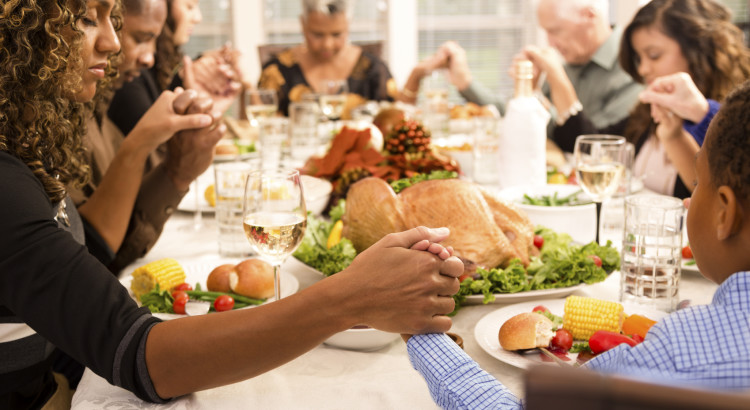
Should I wait to do an Intervention until after the holidays?
When a person suffers from a substance abuse disorder, some members of his or her family and friends may think that it would be better to wait until after the holiday season is over to stage an intervention. However, the fact is that delaying an intervention for any reason at all increases the chances of an addiction further spiraling out of control. Addiction is progressive disease and only gets worse as time passes.
Why Conducting an Intervention During the Holidays Can be Particularly Effective:
1. Addiction doesn’t stop when the holiday season starts.
The holidays are a time that people look forward to; however, the season can be stressful, as well. It’s not uncommon for someone with a substance abuse problem to increase the amount that they use or drink during this time of year. They may be attending several social events or have vacation time during the holidays, which allows for more time to consume even more alcohol and/or their drug of choice.
2. Waiting won’t make the situation any better.
If you’re waiting for the “right” time to approach your loved one about their addiction, there really isn’t one. The saying, “There’s no time like the present” applies to scheduling an intervention. You may have heard that someone with substance abuse issues needs to “hit rock bottom” or “needs to want help” before an intervention can be successful. Both statements are myths. While waiting for someone with addiction to hit their personal rock bottom, they may be involved in an auto accident that will injure themselves or someone else, lose their job, lose their home or experience some other negative life event. It isn’t likely that your loved one will decide that they want help to stop their addiction. They will continue to drink or use drugs, and the addiction will become more ingrained and harder to treat.
3. Holidays are a good time to gather family and friends for the intervention.
When you’re putting together the team of people who will be participating in the intervention, ask yourself whether there is anyone whom your addicted loved one may hold in particularly high esteem. If so, make a point of asking this relative or childhood friend, who may not have seen your loved one for some time, to attend the intervention. Their memories of your loved one before the addiction took hold and hope for a sober future may help to influence them to make a positive change.
4. The holiday season is a time for gift-giving. Through an intervention, your family can help to give the gift of sobriety.
Your loved one did not start their drinking or substance abuse with the expectation of developing an addiction. No one who picks up a drink or uses drugs ever does.
Most people who have a substance abuse problem need help to stop. Holding an intervention over the holiday season sends a powerful message that your family is not prepared to stand by and let your loved one continue on the same path any longer.
Transcend Interventions provides alcohol, drug, mental health and eating disorders Intervention for all who are struggling. Clients receive an individualized Intervention which focuses on Recovery for the whole family and especially their afflicted loved one. The Intervention process will begin everyone’s healing and set them on new ground. Family and Friends will learn a new perspective and approach to the problem to help them all get better.
These are just few reasons why RIGHT NOW is the time to help your addicted loved one. It is always best for the family to hire a professional and not try doing this process on their own. They may only have one chance at doing it right.
HOLIDAY INTERVENTIONS Read More »

The holiday season is meant to be a joyous occasion that brings family and friends together. For those of us in recovery the holidays can also be a bit challenging. Especially in early recovery. Here are a few tips on how to protect your sobriety and enjoy the holidays: 1. Bring a sober friend with you to holiday gatherings for support if possible. 2. Carry a non-alcoholic drink with you during a holiday party. No one has to know that it’s not alcohol. 3. Always keep an eye on your drink so as not to pick up the wrong one. 4. Create an exit strategy. You can arrive a little late and leave a little early if you feel that you’re sobriety is in jeopardy. Say something like “My babysitter needs to get home early” or “I have an appointment at the crack of dawn.” 5. Avoid people and places that may trigger you whenever possible. 6. Get to AA or NA meetings if you practice the 12 Steps or to whatever support group you belong to.

In my own personal experience, I found some of these methods to be very helpful. Especially in my early recovery! Now 8 years later, I am free to partake in holiday gatherings without any desire for a mood or mind-altering substance. I hope that you find these tips to be useful! Happy Holidays!
HOLIDAYS AND RECOVERY Read More »
Leave your email to stay informed about addiction intervention insights, helpful tips, and empowering stories of recovery. By subscribing, you’ll be part of a compassionate network dedicated to making a positive change in the lives of those struggling with addiction. Take the first step towards a brighter future – enter your email and be part of our community of hope and healing.