
Life After Intervention and Treatment: The Road to Long-Term Recovery

What Happens After The Intervention?

Interventions are a powerful first step in helping loved ones confront their addiction and enter treatment, but what happens after that? Many families and individuals wonder what to expect once the immediate crisis has passed. Recovery is a journey, not a destination, and post-treatment support is crucial to maintaining long-term sobriety. Here, I’ll explore what happens after the intervention and treatment and why ongoing care is key to a successful recovery.

The Transition from Treatment to Everyday Life

Once treatment is completed, the individual is often ready to return to daily life, but this can be one of the most challenging parts of recovery. In a treatment facility, the environment is structured and focused entirely on healing, but everyday life is full of triggers and stressors that can lead to relapse if not managed properly.

This transition period is when having a solid aftercare plan becomes essential. Aftercare involves ongoing support, whether through therapy, support groups like Alcoholics Anonymous (AA) or Narcotics Anonymous (NA), or even sober living environments. These resources provide structure, accountability, and a community of individuals who understand the challenges of staying sober in the real world.


Family Support: Healing Together

Recovery isn’t just about the individual—it’s about healing the entire family unit. Addiction often strains relationships, and it’s common for family members to carry their own trauma from watching a loved one struggle. After treatment, family therapy can help address underlying issues, improve communication, and rebuild trust.

As part of the recovery process, families are encouraged to educate themselves about addiction and learn how to support their loved ones in healthy ways. This includes setting boundaries, understanding triggers, and promoting an environment that fosters sobriety.

Avoiding Relapse: The Importance of Continued Care

Relapse is common in the recovery process, but it doesn’t mean failure. It’s a sign that more support may be needed. Relapse prevention involves understanding the warning signs and being proactive in addressing them before they escalate. This is where ongoing therapy and support groups play a critical role. Working with a therapist who specializes in addiction can help the individual identify their triggers and develop coping mechanisms to navigate them.

Sober companions or coaches can also be a great resource during this period, offering guidance, accountability, and a constant source of support.

Building a New Life

A key part of long-term recovery is creating a new, fulfilling life that doesn’t revolve around addiction. This may include finding new hobbies, developing a healthy routine, and surrounding oneself with positive influences. For many, rediscovering joy and purpose outside of their addiction is a transformative experience that helps them stay committed to their sobriety.

At Joe Ortiz Interventionist, I understand that recovery doesn’t end after treatment—it’s a lifelong journey. My goal is to provide not only the intervention that helps your loved one take the first step but also the support needed to continue moving forward. Whether it’s guiding families through the aftermath of an intervention or connecting individuals to the right aftercare resources, I’m here every step of the way.

For professional intervention services, contact me at joeortizinterventionist@gmail.com or call 732-599-7817.

Joe Ortiz
Interventionist
Certified CRAFT Method
Certified Break-Free Method
Cell:  732-599-7817

Life After Intervention and Treatment: The Road to Long-Term Recovery Read More »


Support Is Just a Call Away

When addiction takes hold, it doesn’t just affect the individual—it impacts families, friendships, and entire communities. The struggle to find a way out can feel overwhelming, but there’s hope. Professional interventionists like myself, Joe Ortiz, are here to provide the support and guidance necessary to turn the tide against addiction and pave the way to recovery.

The Role of a Professional Interventionist

As a professional interventionist, my role is more than just facilitating a difficult conversation. It’s about offering a lifeline to those who are trapped in the cycle of addiction and their loved ones who may feel helpless. Intervention is a highly specialized process that requires a deep understanding of addiction, mental health, and the complex dynamics within families and social circles.

With years of experience in the field, I approach each case with the empathy, expertise, and care it deserves. Every individual’s journey with addiction is unique, and so too must be the strategy to help them. This means working closely with families to craft a personalized plan that is both effective and respectful, focusing on the ultimate goal: bringing the individual to a place where they are ready and willing to seek treatment.

Why Professional Intervention Matters

Addiction is a disease that thrives in secrecy and denial. Often, those who are struggling with substance abuse are not fully aware of the extent of their problem or the harm it is causing. This is where professional interventionists come in—we break through the barriers of denial, providing a clear, compassionate, and structured path to treatment.

Without the guidance of a professional, attempts at intervention can sometimes lead to increased resistance or even cause further harm. A professional interventionist brings objectivity, experience, and proven techniques to the table, ensuring that the process is conducted in a way that maximizes the chances of a successful outcome.

Making Recovery a Reality

The ultimate goal of intervention is not just to get the individual into treatment, but to support them through every stage of their recovery journey. This means ongoing communication, coordination with treatment providers, and continuous support for both the individual and their loved ones. Recovery is a long road, but with the right support, it’s a journey that can lead to lasting change.

If you or someone you know is struggling with addiction, don’t wait until it’s too late. As a professional interventionist, I’m here to help make recovery a reality. Remember, support is just a call away.

Contact Information

For professional intervention services, contact me at joeortizinterventionist@gmail.com or call 732-599-7817.

Joe Ortiz
Interventionist
Certified CRAFT Method
Certified Break-Free Method
Cell:  732-599-7817

Support Is Just a Call Away Read More »

Interventions Are Tough, But They Can Change Lives

Interventions are one of the most challenging steps in the journey to recovery, but they are also one of the most crucial. At Joe Ortiz Interventionist, I have witnessed firsthand how a well-conducted intervention can change the trajectory of someone’s life. Let’s explore why interventions are so important and how they can lead to lasting positive change.

Understanding Interventions

An intervention is a carefully planned process that involves family and friends of a person struggling with addiction. The goal is to confront the individual in a loving and supportive way, encouraging them to seek help. It is not about blame or judgment, but about expressing concern and offering a pathway to recovery.

Why Interventions Are Necessary

  1. Breaking Denial: Often, individuals struggling with addiction are in denial about their problem. An intervention helps break through this denial by showing the person how their behavior affects those around them.
  2. Offering a Support Network: Interventions bring together a support network of family and friends who are committed to helping the individual through their recovery journey.
  3. Presenting Treatment Options: During an intervention, treatment options are presented, making it easier for the individual to take immediate action towards recovery.

The Impact of a Successful Intervention

A successful intervention can be life-changing. It can motivate the individual to seek help, enter treatment, and begin the journey to recovery. It can also strengthen the bonds between family members and create a more supportive and understanding environment for everyone involved.

How I Can Help

At Joe Ortiz Interventionist, I provide professional intervention services designed to support both the individual and their family. With years of experience, I guide families through the intervention process, ensuring that it is conducted in a respectful and effective manner.

Interventions are tough, but they have the power to change lives. If you or someone you love is struggling with addiction, don’t wait. Reach out for help today. Together, we can make a difference.

Contact Information

For professional intervention services, contact me at joeortizinterventionist@gmail.com or call 732-599-7817.

Joe Ortiz
Interventionist
Certified CRAFT Method
Certified Break-Free Method
Cell:  732-599-7817


Title: Interventions Are Tough, But They Can Change Lives Read More »

Intervention Strategies for Families: Guiding Your Loved One Towards Recovery

Dealing with a loved one’s addiction can be one of the most challenging experiences for any family. However, interventions can provide a structured opportunity for families to help their loved one seek treatment. In this blog post, we’ll explore effective intervention strategies, the role of family support, and how to cope during this difficult time.

Understanding Interventions: Interventions are carefully planned processes where family members, friends, and professionals come together to confront a loved one about their addiction. The goal is to help them recognize the impact of their behavior and persuade them to accept treatment.

Key Strategies for a Successful Intervention:

  1. Plan Thoroughly:
    • Choose a professional interventionist who can guide you through the process.
    • Decide who will be involved and practice what each person will say.
    • Set a clear goal, such as getting your loved one into a treatment program.
  2. Gather Evidence:
    • Collect concrete examples of your loved one’s destructive behavior.
    • Use specific incidents to illustrate how their addiction affects them and others.
  3. Stay Calm and Compassionate:
    • Approach the intervention with empathy and concern, not anger or blame.
    • Maintain a calm and supportive tone throughout the discussion.
  4. Set Boundaries:
    • Clearly outline the consequences if your loved one refuses treatment.
    • Be prepared to follow through with these boundaries to protect yourself and other family members.

The Role of Family Support: Family support is crucial in the recovery process. Your loved one needs to feel that they are not alone and that their family is behind them. Here are some ways families can support their loved ones:

  • Emotional Support:
    • Offer consistent encouragement and positive reinforcement.
    • Attend family therapy sessions to strengthen your relationships.
  • Practical Support:
    • Help with logistics, such as transportation to treatment sessions.
    • Assist in finding resources and support groups for ongoing recovery.

Coping with the Challenges: Supporting a loved one through addiction and recovery can take a toll on your emotional and mental health. It’s essential to take care of yourself as well:

  • Seek Support:
    • Join support groups for families of addicts.
    • Consider individual therapy to process your feelings and experiences.
  • Practice Self-Care:
    • Engage in activities that you enjoy and that help you relax.
    • Maintain a healthy lifestyle with regular exercise, proper nutrition, and adequate sleep.

Interventions can be a turning point in your loved one’s journey toward recovery. With careful planning, compassionate communication, and strong family support, you can help guide them towards the help they need. Remember to take care of yourself throughout this process and seek support when needed. Together, you can navigate this challenging time and emerge stronger as a family.

If you need professional guidance for conducting an intervention or support for your family, contact Joe Ortiz Interventionist today. We are here to help you every step of the way.

Joe Ortiz
Interventionist
Certified CRAFT Method
Certified Break-Free Method
Cell:  732-599-7817

Intervention Strategies for Families: Guiding Your Loved One Towards Recovery Read More »

Uniting Families: Navigating Addiction Together

Addiction is a complex and challenging issue that not only affects individuals but also deeply impacts their families. When a loved one struggles with addiction, family members often find themselves navigating uncharted territory, grappling with feelings of helplessness, guilt, and confusion. However, amidst the chaos, there lies an opportunity for families to come together, support one another, and empower themselves to initiate positive change. In this blog post, we’ll explore effective strategies for family empowerment in the face of addiction.

Understanding Addiction:

Before delving into strategies for family empowerment, it’s crucial to understand addiction and its effects on both the individual and the family unit. Addiction is a chronic disease characterized by compulsive drug seeking, use, and often relapse. It affects brain function and behavior, leading to a range of physical, psychological, and social consequences. For families, addiction can disrupt relationships, create financial strain, and cause emotional turmoil.

Strategies for Family Empowerment:

Education and Awareness: Knowledge is power. Empower your family by educating yourselves about addiction, including its causes, effects, and available treatment options. Understanding the nature of addiction can help reduce stigma, promote empathy, and foster a supportive environment within the family.
Open Communication: Encourage open and honest communication among family members. Create a safe space where individuals feel comfortable sharing their thoughts, concerns, and experiences related to addiction. Effective communication can strengthen bonds, build trust, and facilitate collaboration in finding solutions.
Setting Boundaries: Establishing clear and healthy boundaries is essential when dealing with addiction. Define what behaviors are acceptable and unacceptable within the family dynamic, and communicate these boundaries respectfully but firmly. Setting boundaries helps protect family members from harm while promoting accountability and self-care.
Seeking Support: You don’t have to navigate addiction alone. Reach out to support groups, counseling services, and other resources available in your community. Connecting with others who understand your experiences can provide validation, guidance, and a sense of belonging.
Self-Care: Remember to prioritize self-care for yourself and other family members. Taking care of your physical, emotional, and mental well-being is crucial for maintaining resilience and coping with the challenges of addiction. Practice self-compassion, engage in activities that bring you joy, and seek professional help when needed.

Navigating addiction as a family can be overwhelming, but it’s also an opportunity for growth, resilience, and healing. By implementing strategies for family empowerment, you can create a supportive environment where every member feels valued, heard, and empowered to initiate positive change. Together, you can overcome obstacles, build stronger bonds, and journey towards a brighter, healthier future.

Joe Ortiz
Interventionist
Certified CRAFT Method
Certified Break-Free Method
Cell:  732-599-7817

Uniting Families: Navigating Addiction Together Read More »

Empowering Families: The Vital Role of Intervention in Overcoming Addiction

In the throes of addiction, it’s easy to feel hopeless. To feel as if the addiction has the final say. But what if we told you that there’s a powerful force that can break through the grip of addiction? That force is family. With the right intervention, families can rewrite the narrative of addiction and pave the way for healing and recovery.

Addiction is a relentless adversary, affecting not only the individual but also those closest to them. It can tear families apart, leaving them feeling helpless and isolated. However, it’s essential to recognize that addiction does not have to have the final say. Families have the power to intervene, to stand together and say, “Enough is enough.”

An intervention is a carefully orchestrated process designed to confront the individual with the reality of their addiction and encourage them to seek help. It’s a moment of truth, a turning point that can make all the difference in someone’s journey toward recovery.

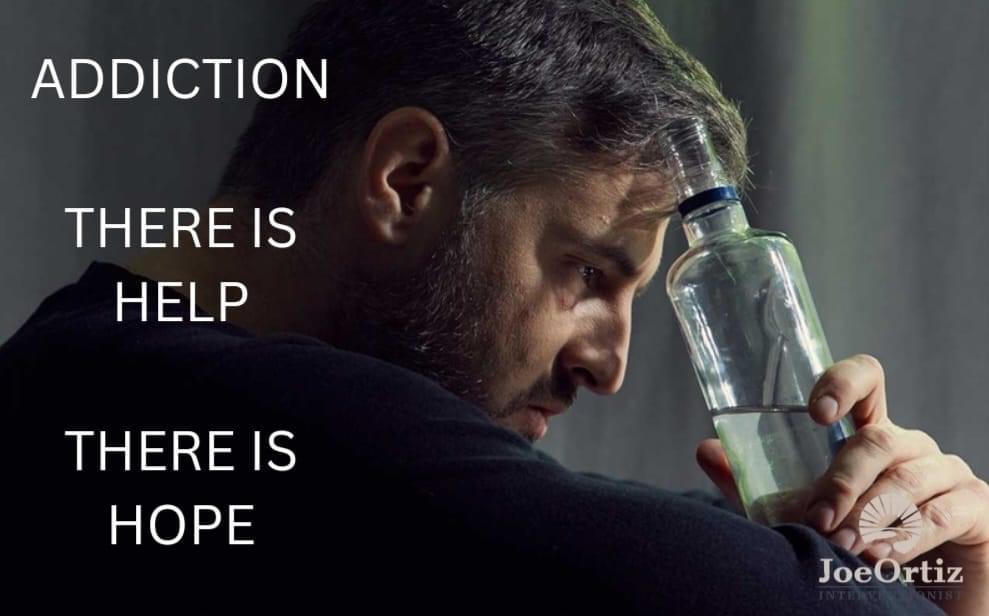
I understand the profound impact addiction can have on families. That’s why I am dedicated to providing compassionate support and guidance every step of the way. I believe that with the right intervention, there is help and there is hope.

As an experienced professional specializing in conducting interventions that are respectful, effective, and tailored to the unique needs of each family, I work closely with families to develop personalized intervention strategies, empowering them to reclaim control and create positive change.

Through education, support, and encouragement, I empower families to confront addiction head-on and facilitate meaningful conversations that lead to healing and transformation. I believe that addiction does not define a person or their family and that recovery is always possible.

If you or someone you love is struggling with addiction, remember that you are not alone. There is help available, and there is hope for a brighter future. With the support of your family and the guidance of a professional interventionist, you can break free from the chains of addiction and embark on a journey toward healing and recovery.

Contact Joe Ortiz Interventionist today to learn more about our intervention services and take the first step toward a life of freedom and fulfillment. Together, we can overcome addiction and write a new chapter of hope and healing for your family.

Love and light to you all!

Joe Ortiz
Interventionist
Certified CRAFT Method
Certified Break-Free Method
Cell:  732-599-7817

RELATED POSTS

Empowering Families: The Vital Role of Intervention in Overcoming Addiction Read More »

Heartbroken man thinking. Relationship difficulties.

February: A Month of Love and Healing for Your Addicted Loved One

As February unfolds, hearts blossom and love fills the air, making it an ideal time to embark on a journey of healing for your addicted loved one. While this month is traditionally celebrated as a time for romantic gestures, it can also serve as a powerful reminder of the love and support we have for those struggling with addiction. February’s theme of love can provide the perfect backdrop for initiating the process of intervention and seeking professional help for your beloved.

For many families, dealing with a loved one’s addiction can be overwhelming and fraught with challenges. However, February’s emphasis on love and compassion can offer a beacon of hope, reminding us of the profound impact that genuine care and support can have on someone battling addiction.

One of the most effective ways to kickstart the journey to recovery for your addicted loved one is through an intervention. This process involves gathering friends, family members, and possibly a professional interventionist to confront the individual about their addiction in a caring and non-judgmental manner. The goal of an intervention is to encourage your loved one to seek treatment and embark on the path to recovery.

While it’s tempting to handle the intervention process independently, enlisting the expertise of a professional interventionist is crucial for several reasons:

1. Experience and Expertise:

Professional interventionists possess extensive experience and training in dealing with addiction and intervention techniques. They understand the complexities of addiction and can navigate delicate situations with skill and sensitivity.

2. Objective Perspective:

Emotions can run high during an intervention, making it difficult for family members to remain objective. A professional interventionist provides an impartial viewpoint and can mediate discussions effectively, ensuring that the focus remains on the individual’s well-being.

3. Structured Approach:

Interventionists follow a structured approach to interventions, carefully planning each step to maximize the likelihood of success. From pre-intervention preparations to post-intervention follow-up, they guide the process with precision and care.

4. Crisis Management:

In some cases, interventions may elicit strong reactions from the addicted individual, leading to volatile situations. A professional interventionist is equipped to handle such crises calmly and effectively, to better ensure the safety of everyone involved.

5. Access to Resources:

Interventionists have access to a network of resources and treatment options, enabling them to connect your loved one with the most suitable rehabilitation programs and support services.

By entrusting the intervention process to a professional, you’re not only providing your addicted loved one with the best chance for recovery but also demonstrating your unwavering support and commitment to their well-being.

As we embrace the spirit of love and compassion this February, let’s seize the opportunity to extend a lifeline to those grappling with addiction. By initiating an intervention and enlisting the assistance of a professional interventionist, we can pave the way for healing, hope, and renewed possibilities for our beloved. Together, let’s make this month a testament to the transformative power of love and the journey toward recovery.

Love and light to you all!

Joe Ortiz
Interventionist
Certified CRAFT Method
Certified Break-Free Method
Cell:  732-599-7817

RELATED POSTS

February: A Month of Love and Healing for Your Addicted Loved One Read More »

Embracing a New Beginning: Navigating Substance Abuse Challenges in the New Year with Joe Ortiz Professional Interventionist

As we usher in a new year, the promise of fresh starts and new beginnings hangs in the air. For individuals and families grappling with substance abuse issues, the new year represents an opportunity to embark on a transformative journey toward recovery. In this blog, I explore the intricate difficulties associated with substance abuse and highlight how my intervention can serve as a guiding force for individuals seeking professional positive change.

Reflection on the Past Year:

Before looking ahead, it’s essential to reflect on the challenges and triumphs of the past year. Substance abuse issues can cast a shadow on personal lives and relationships, but acknowledging the journey taken so far is the first step towards understanding the path forward.

Understanding Substance Abuse as a Journey, Not a Label:

Joe Ortiz, a Professional Interventionist, recognizes that substance abuse is a complex journey, often influenced by various factors such as genetics, environment, and mental health. Rather than labeling individuals, our approach is rooted in understanding the unique narratives that have led to this point, fostering empathy and trust.

Setting Realistic Goals for Recovery:

The new year often brings a surge of motivation to set resolutions, but when it comes to substance abuse issues, it’s crucial to establish realistic and achievable goals. Joe’s interventions focus on collaboratively setting milestones that pave the way for sustainable recovery, emphasizing progress over perfection.

The Role of Family and Support Systems:

Substance abuse doesn’t just affect individuals; it has a ripple effect on families and support systems. Our interventions extend beyond the individual, incorporating family members and loved ones into the process. We believe that a united front fosters a conducive environment for healing.

Tailored Intervention Strategies:

Recognizing that each individual’s journey is unique, our intervention strategies are customized to address specific needs. Whether it’s connecting with treatment centers, offering counseling services, or facilitating aftercare plans, our goal is to provide comprehensive support throughout the recovery process.

Celebrating Small Victories:

Recovery is a journey marked by small victories. As we navigate the new year together, we encourage celebrating every positive step, no matter how modest. These victories serve as building blocks, reinforcing the commitment to a healthier and substance-free lifestyle.

A Message of Hope:

In the spirit of the new year, let Joe Ortiz Professional Interventionist be a beacon of hope for those facing substance abuse challenges. Joe is dedicated and committed to guiding individuals and families toward a future filled with renewed purpose, resilience, and the promise of a brighter tomorrow.

As we step into the new year, let us approach the challenges of substance abuse with compassion, understanding, and a commitment to positive change. With Joe Ortiz Professional Interventionist by your side, embrace the journey towards recovery, knowing that every step forward is a triumph worth celebrating. Together, let’s make the new year a testament to resilience, growth, and the unwavering pursuit of a healthier, substance-free life.

Love and light to you all!

Joe Ortiz
Interventionist
Certified CRAFT Method
Certified Break-Free Method
Cell:  732-599-7817

RELATED POSTS

Embracing a New Beginning: Navigating Substance Abuse Challenges in the New Year with Joe Ortiz Professional Interventionist Read More »

Guiding the Gift of Recovery: The Vital Role of a Professional Interventionist During the Holiday Season

As the holiday season ushers in a spirit of hope and renewal, families facing the challenge of a loved one’s addiction may find themselves contemplating a compassionate intervention. In this journey toward recovery, the presence of a professional interventionist becomes a crucial beacon of guidance. This blog explores the essential role these experts play in the process, turning the act of intervention into a profound gift of hope and transformation.

The Compassionate Expertise of a Professional Interventionist

1. Understanding the Complexity of Addiction: A professional interventionist brings a deep understanding of addiction dynamics to the table. Their expertise goes beyond mere awareness; they comprehend the complexities of substance abuse, its impact on relationships, and the unique challenges faced by individuals on the path to recovery.

2. Establishing a Structured Approach: Planning an intervention is a delicate process that demands structure and organization. A professional interventionist provides a framework that ensures the intervention remains focused, respectful, and effective. Their guidance helps navigate the emotional terrain, offering a clear pathway for both the family and the individual in need.

3. Navigating Emotional Dynamics: Families often grapple with a myriad of emotions during interventions, from concern and love to frustration and fear. A professional interventionist acts as a mediator, navigating these emotional waters with empathy and skill. Their presence helps to maintain a supportive environment, fostering open communication and reducing the risk of confrontation.

4. Customizing Strategies for Success: Not every intervention follows the same script. A professional interventionist tailors strategies to the unique circumstances of each individual and family. They consider the person’s history, triggers, and motivations, ensuring that the approach is personalized for the highest chance of success.

5. Offering Informed Treatment Recommendations: An intervention is not a one-time event; it’s a crucial first step toward a journey of recovery. A professional interventionist provides valuable insights into treatment options, rehabilitation facilities, and support networks. Their recommendations are rooted in experience, guiding the individual toward the most appropriate resources for their specific needs.

Embracing the Spirit of the Season with Professional Guidance

As you embark on the endeavor of staging an intervention during the holiday season, the presence of a professional interventionist transforms the process into a gift of profound significance. Their expertise becomes the guiding light, illuminating the path toward recovery with compassion, wisdom, and a commitment to positive change.

In the spirit of the season’s generosity, consider the professional interventionist as the orchestrator of hope – someone who not only understands the journey but actively contributes to the transformation it promises. With their support, the gift of recovery becomes more than a wish; it becomes a tangible and achievable reality.

As you weave the threads of love, compassion, and hope into the fabric of your intervention during this holiday season, let the expertise of a professional interventionist be the guiding force that ensures your gift of recovery is received with the greatest potential for transformative change. Together, with the support of these compassionate experts, you’re not just staging an intervention; you’re fostering the opportunity for a brighter, healthier, and more fulfilling future for your loved one and your entire family.

RELATED POSTS

Guiding the Gift of Recovery: The Vital Role of a Professional Interventionist During the Holiday Season Read More »

Navigating Thanksgiving with a Loved One in Active Addiction:
Practical Strategies, Supportive Tips,
and the Importance of Seeking Interventionist Help

Joe Ortiz Interventionist

Thanksgiving is a time to express gratitude and cherish moments with loved ones. However, when addiction is a part of the picture, it can introduce unique challenges. This blog aims to provide practical strategies and supportive tips to navigate Thanksgiving with a loved one in active addiction, emphasizing the crucial role of seeking interventionist help.

Understanding Addiction: 
Before delving into the specifics of navigating Thanksgiving, it’s essential to understand addiction. Recognize that addiction is a complex issue that requires empathy and a non-judgmental approach. This knowledge will lay the foundation for effective support.

Setting Realistic Expectations:
Acknowledge that Thanksgiving might not be conventional if a loved one is struggling with addiction. Set realistic expectations for the day, focusing on creating a supportive and understanding atmosphere rather than an idealized celebration.

Open and Honest Communication:
Create a safe space for open communication. Talk to your loved one about their struggles, fears, and concerns. Encouraging them to share their thoughts can foster a sense of trust and may pave the way for more significant discussions about seeking help.

Planning Ahead for Sobriety:
Consider planning activities that are conducive to sobriety. Engage in non-substance-related festivities, such as playing games, cooking together, or enjoying a nature walk. Thoughtful planning can help ensure a positive and inclusive environment.

Establishing Boundaries: 
Establish clear boundaries to protect both yourself and your loved one. Communicate what behaviors are unacceptable and be prepared to enforce consequences if necessary. This not only helps maintain a safe environment but also emphasizes the importance of accountability.

Seeking Support Systems: 
Lean on your support network. Connect with friends, family, or support groups who understand the challenges of dealing with addiction. Sharing experiences and seeking guidance from others can offer valuable insights and emotional support during this challenging time.

The Role of Interventionists: 
Recognize the significance of seeking professional help, particularly through interventionists. These trained specialists can facilitate a structured and supportive conversation with your loved one about their addiction. An interventionist brings expertise and neutrality to the process, helping guide the conversation towards the path of recovery.

Encouraging Professional Treatment: 
If the intervention leads to a willingness to seek help, encourage your loved one to enter professional treatment. Whether it’s inpatient rehab, outpatient programs, or therapy sessions, professional support is instrumental in addressing the underlying issues of addiction.

Navigating Thanksgiving with a loved one in active addiction requires a blend of understanding, compassion, and practical strategies. By incorporating the supportive tips mentioned and recognizing the importance of interventionists, you can contribute to fostering an environment that promotes not only a memorable holiday but also the potential for positive change and the journey towards recovery.

Love and light to you all!

Joe Ortiz
Interventionist
Certified CRAFT Method
Certified Break-Free Method
Cell:  732-599-7817

RELATED POSTS

Navigating Thanksgiving with a Loved One in Active Addiction: Practical Strategies, Supportive Tips, and the Importance of Seeking Interventionist Help Read More »

Scroll to Top
Privacy Overview

This website uses cookies so that we can provide you with the best user experience possible. Cookie information is stored in your browser and performs functions such as recognising you when you return to our website and helping our team to understand which sections of the website you find most interesting and useful.