
Interventions Are Tough, But They Can Change Lives

Interventions are one of the most challenging steps in the journey to recovery, but they are also one of the most crucial. At Joe Ortiz Interventionist, I have witnessed firsthand how a well-conducted intervention can change the trajectory of someone’s life. Let’s explore why interventions are so important and how they can lead to lasting positive change.

Understanding Interventions

An intervention is a carefully planned process that involves family and friends of a person struggling with addiction. The goal is to confront the individual in a loving and supportive way, encouraging them to seek help. It is not about blame or judgment, but about expressing concern and offering a pathway to recovery.

Why Interventions Are Necessary

  1. Breaking Denial: Often, individuals struggling with addiction are in denial about their problem. An intervention helps break through this denial by showing the person how their behavior affects those around them.
  2. Offering a Support Network: Interventions bring together a support network of family and friends who are committed to helping the individual through their recovery journey.
  3. Presenting Treatment Options: During an intervention, treatment options are presented, making it easier for the individual to take immediate action towards recovery.

The Impact of a Successful Intervention

A successful intervention can be life-changing. It can motivate the individual to seek help, enter treatment, and begin the journey to recovery. It can also strengthen the bonds between family members and create a more supportive and understanding environment for everyone involved.

How I Can Help

At Joe Ortiz Interventionist, I provide professional intervention services designed to support both the individual and their family. With years of experience, I guide families through the intervention process, ensuring that it is conducted in a respectful and effective manner.

Interventions are tough, but they have the power to change lives. If you or someone you love is struggling with addiction, don’t wait. Reach out for help today. Together, we can make a difference.

Contact Information

For professional intervention services, contact me at joeortizinterventionist@gmail.com or call 732-599-7817.

Joe Ortiz
Interventionist
Certified CRAFT Method
Certified Break-Free Method
Cell:  732-599-7817


Title: Interventions Are Tough, But They Can Change Lives Read More »
Empowering Families: The Vital Role of Intervention in Overcoming Addiction

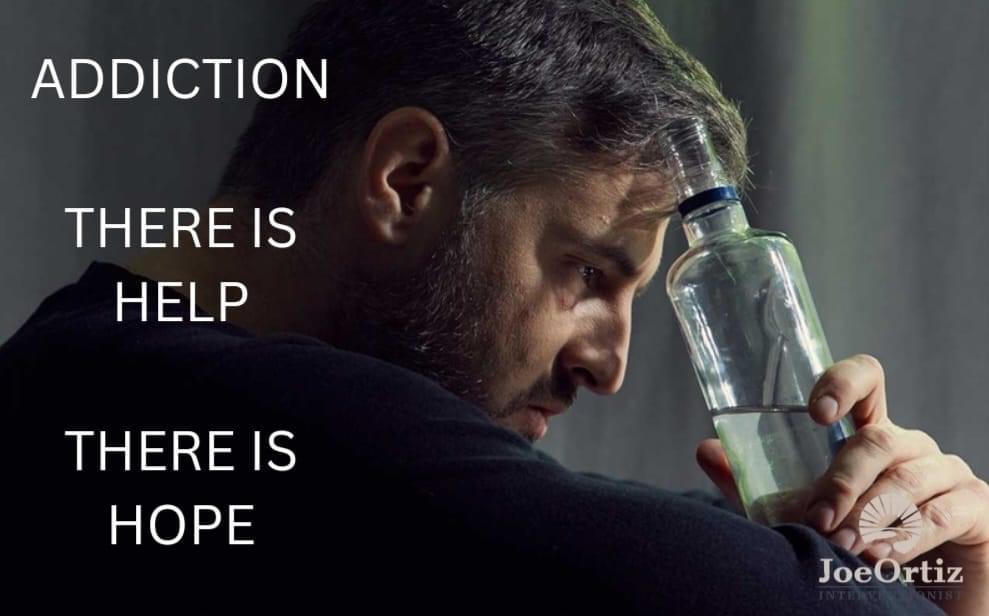
In the throes of addiction, it’s easy to feel hopeless. To feel as if the addiction has the final say. But what if we told you that there’s a powerful force that can break through the grip of addiction? That force is family. With the right intervention, families can rewrite the narrative of addiction and pave the way for healing and recovery.

Addiction is a relentless adversary, affecting not only the individual but also those closest to them. It can tear families apart, leaving them feeling helpless and isolated. However, it’s essential to recognize that addiction does not have to have the final say. Families have the power to intervene, to stand together and say, “Enough is enough.”

An intervention is a carefully orchestrated process designed to confront the individual with the reality of their addiction and encourage them to seek help. It’s a moment of truth, a turning point that can make all the difference in someone’s journey toward recovery.

I understand the profound impact addiction can have on families. That’s why I am dedicated to providing compassionate support and guidance every step of the way. I believe that with the right intervention, there is help and there is hope.

As an experienced professional specializing in conducting interventions that are respectful, effective, and tailored to the unique needs of each family, I work closely with families to develop personalized intervention strategies, empowering them to reclaim control and create positive change.

Through education, support, and encouragement, I empower families to confront addiction head-on and facilitate meaningful conversations that lead to healing and transformation. I believe that addiction does not define a person or their family and that recovery is always possible.

If you or someone you love is struggling with addiction, remember that you are not alone. There is help available, and there is hope for a brighter future. With the support of your family and the guidance of a professional interventionist, you can break free from the chains of addiction and embark on a journey toward healing and recovery.

Contact Joe Ortiz Interventionist today to learn more about our intervention services and take the first step toward a life of freedom and fulfillment. Together, we can overcome addiction and write a new chapter of hope and healing for your family.

Love and light to you all!

Joe Ortiz
Interventionist
Certified CRAFT Method
Certified Break-Free Method
Cell:  732-599-7817

RELATED POSTS

Empowering Families: The Vital Role of Intervention in Overcoming Addiction Read More »

Heartbroken man thinking. Relationship difficulties.

February: A Month of Love and Healing for Your Addicted Loved One

As February unfolds, hearts blossom and love fills the air, making it an ideal time to embark on a journey of healing for your addicted loved one. While this month is traditionally celebrated as a time for romantic gestures, it can also serve as a powerful reminder of the love and support we have for those struggling with addiction. February’s theme of love can provide the perfect backdrop for initiating the process of intervention and seeking professional help for your beloved.

For many families, dealing with a loved one’s addiction can be overwhelming and fraught with challenges. However, February’s emphasis on love and compassion can offer a beacon of hope, reminding us of the profound impact that genuine care and support can have on someone battling addiction.

One of the most effective ways to kickstart the journey to recovery for your addicted loved one is through an intervention. This process involves gathering friends, family members, and possibly a professional interventionist to confront the individual about their addiction in a caring and non-judgmental manner. The goal of an intervention is to encourage your loved one to seek treatment and embark on the path to recovery.

While it’s tempting to handle the intervention process independently, enlisting the expertise of a professional interventionist is crucial for several reasons:

1. Experience and Expertise:

Professional interventionists possess extensive experience and training in dealing with addiction and intervention techniques. They understand the complexities of addiction and can navigate delicate situations with skill and sensitivity.

2. Objective Perspective:

Emotions can run high during an intervention, making it difficult for family members to remain objective. A professional interventionist provides an impartial viewpoint and can mediate discussions effectively, ensuring that the focus remains on the individual’s well-being.

3. Structured Approach:

Interventionists follow a structured approach to interventions, carefully planning each step to maximize the likelihood of success. From pre-intervention preparations to post-intervention follow-up, they guide the process with precision and care.

4. Crisis Management:

In some cases, interventions may elicit strong reactions from the addicted individual, leading to volatile situations. A professional interventionist is equipped to handle such crises calmly and effectively, to better ensure the safety of everyone involved.

5. Access to Resources:

Interventionists have access to a network of resources and treatment options, enabling them to connect your loved one with the most suitable rehabilitation programs and support services.

By entrusting the intervention process to a professional, you’re not only providing your addicted loved one with the best chance for recovery but also demonstrating your unwavering support and commitment to their well-being.

As we embrace the spirit of love and compassion this February, let’s seize the opportunity to extend a lifeline to those grappling with addiction. By initiating an intervention and enlisting the assistance of a professional interventionist, we can pave the way for healing, hope, and renewed possibilities for our beloved. Together, let’s make this month a testament to the transformative power of love and the journey toward recovery.

Love and light to you all!

Joe Ortiz
Interventionist
Certified CRAFT Method
Certified Break-Free Method
Cell:  732-599-7817

RELATED POSTS

February: A Month of Love and Healing for Your Addicted Loved One Read More »

Guiding the Gift of Recovery: The Vital Role of a Professional Interventionist During the Holiday Season

As the holiday season ushers in a spirit of hope and renewal, families facing the challenge of a loved one’s addiction may find themselves contemplating a compassionate intervention. In this journey toward recovery, the presence of a professional interventionist becomes a crucial beacon of guidance. This blog explores the essential role these experts play in the process, turning the act of intervention into a profound gift of hope and transformation.

The Compassionate Expertise of a Professional Interventionist

1. Understanding the Complexity of Addiction: A professional interventionist brings a deep understanding of addiction dynamics to the table. Their expertise goes beyond mere awareness; they comprehend the complexities of substance abuse, its impact on relationships, and the unique challenges faced by individuals on the path to recovery.

2. Establishing a Structured Approach: Planning an intervention is a delicate process that demands structure and organization. A professional interventionist provides a framework that ensures the intervention remains focused, respectful, and effective. Their guidance helps navigate the emotional terrain, offering a clear pathway for both the family and the individual in need.

3. Navigating Emotional Dynamics: Families often grapple with a myriad of emotions during interventions, from concern and love to frustration and fear. A professional interventionist acts as a mediator, navigating these emotional waters with empathy and skill. Their presence helps to maintain a supportive environment, fostering open communication and reducing the risk of confrontation.

4. Customizing Strategies for Success: Not every intervention follows the same script. A professional interventionist tailors strategies to the unique circumstances of each individual and family. They consider the person’s history, triggers, and motivations, ensuring that the approach is personalized for the highest chance of success.

5. Offering Informed Treatment Recommendations: An intervention is not a one-time event; it’s a crucial first step toward a journey of recovery. A professional interventionist provides valuable insights into treatment options, rehabilitation facilities, and support networks. Their recommendations are rooted in experience, guiding the individual toward the most appropriate resources for their specific needs.

Embracing the Spirit of the Season with Professional Guidance

As you embark on the endeavor of staging an intervention during the holiday season, the presence of a professional interventionist transforms the process into a gift of profound significance. Their expertise becomes the guiding light, illuminating the path toward recovery with compassion, wisdom, and a commitment to positive change.

In the spirit of the season’s generosity, consider the professional interventionist as the orchestrator of hope – someone who not only understands the journey but actively contributes to the transformation it promises. With their support, the gift of recovery becomes more than a wish; it becomes a tangible and achievable reality.

As you weave the threads of love, compassion, and hope into the fabric of your intervention during this holiday season, let the expertise of a professional interventionist be the guiding force that ensures your gift of recovery is received with the greatest potential for transformative change. Together, with the support of these compassionate experts, you’re not just staging an intervention; you’re fostering the opportunity for a brighter, healthier, and more fulfilling future for your loved one and your entire family.

RELATED POSTS

Guiding the Gift of Recovery: The Vital Role of a Professional Interventionist During the Holiday Season Read More »

Navigating Thanksgiving with a Loved One in Active Addiction:
Practical Strategies, Supportive Tips,
and the Importance of Seeking Interventionist Help

Joe Ortiz Interventionist

Thanksgiving is a time to express gratitude and cherish moments with loved ones. However, when addiction is a part of the picture, it can introduce unique challenges. This blog aims to provide practical strategies and supportive tips to navigate Thanksgiving with a loved one in active addiction, emphasizing the crucial role of seeking interventionist help.

Understanding Addiction: 
Before delving into the specifics of navigating Thanksgiving, it’s essential to understand addiction. Recognize that addiction is a complex issue that requires empathy and a non-judgmental approach. This knowledge will lay the foundation for effective support.

Setting Realistic Expectations:
Acknowledge that Thanksgiving might not be conventional if a loved one is struggling with addiction. Set realistic expectations for the day, focusing on creating a supportive and understanding atmosphere rather than an idealized celebration.

Open and Honest Communication:
Create a safe space for open communication. Talk to your loved one about their struggles, fears, and concerns. Encouraging them to share their thoughts can foster a sense of trust and may pave the way for more significant discussions about seeking help.

Planning Ahead for Sobriety:
Consider planning activities that are conducive to sobriety. Engage in non-substance-related festivities, such as playing games, cooking together, or enjoying a nature walk. Thoughtful planning can help ensure a positive and inclusive environment.

Establishing Boundaries: 
Establish clear boundaries to protect both yourself and your loved one. Communicate what behaviors are unacceptable and be prepared to enforce consequences if necessary. This not only helps maintain a safe environment but also emphasizes the importance of accountability.

Seeking Support Systems: 
Lean on your support network. Connect with friends, family, or support groups who understand the challenges of dealing with addiction. Sharing experiences and seeking guidance from others can offer valuable insights and emotional support during this challenging time.

The Role of Interventionists: 
Recognize the significance of seeking professional help, particularly through interventionists. These trained specialists can facilitate a structured and supportive conversation with your loved one about their addiction. An interventionist brings expertise and neutrality to the process, helping guide the conversation towards the path of recovery.

Encouraging Professional Treatment: 
If the intervention leads to a willingness to seek help, encourage your loved one to enter professional treatment. Whether it’s inpatient rehab, outpatient programs, or therapy sessions, professional support is instrumental in addressing the underlying issues of addiction.

Navigating Thanksgiving with a loved one in active addiction requires a blend of understanding, compassion, and practical strategies. By incorporating the supportive tips mentioned and recognizing the importance of interventionists, you can contribute to fostering an environment that promotes not only a memorable holiday but also the potential for positive change and the journey towards recovery.

Love and light to you all!

Joe Ortiz
Interventionist
Certified CRAFT Method
Certified Break-Free Method
Cell:  732-599-7817

RELATED POSTS

Navigating Thanksgiving with a Loved One in Active Addiction: Practical Strategies, Supportive Tips, and the Importance of Seeking Interventionist Help Read More »

Family Intervention: A Path to Overcome the Chaos of Drug Addiction and Alcoholism

When a loved one falls into the grips of drug addiction or alcoholism, it’s not just their life that is affected. The chaos and turmoil that these addictions bring often seep into the lives of family members, causing emotional, physical, and financial strain. However, there is hope, and one powerful tool to combat this chaos is family intervention. In this blog, we will explore the concept of family intervention, its benefits, and the steps to help families overcome the chaos of addiction.

Understanding the Chaos of Addiction

Before delving into family intervention, it’s essential to understand the chaos that addiction can bring to the lives of both the addicted individual and their family members.

1. Emotional Turmoil: Families often experience a rollercoaster of emotions – from anger and frustration to guilt and sadness. They may become enablers, trying to shield their loved one from the consequences of their addiction.

2. Financial Strain: Addiction can be financially draining due to medical bills, legal costs, and loss of income. Families may struggle to support the addiction or seek treatment for their loved one.

3. Breakdown of Trust: Addiction can erode trust within the family, leading to a breakdown of healthy relationships. Deceit, lies, and betrayal become common themes.

4. Health Consequences: Stress and worry can lead to physical and mental health issues for family members. This is often referred to as “secondary trauma.”

5. Isolation: Families may withdraw from their social circles to hide the shame and stigma associated with addiction. This isolation can exacerbate the chaos within the family.

The Power of Family Intervention

Family intervention is a structured, supportive process that aims to help the addicted individual acknowledge their problem, accept help, and commit to treatment. It is not a confrontation or blame game; rather, it is a loving and strategic approach to healing the family and the addicted person.

Benefits of Family Intervention:

1. Breaking Denial: Addicts often deny the severity of their problem. A family intervention can present them with undeniable evidence of the harm they are causing.

2. Offering Support: It shows the addicted individual that their family cares about their well-being, which can be a powerful motivator for change.

3. Educating and Informing: A well-planned intervention can educate both the addicted individual and the family about addiction, treatment options, and recovery.

4. Setting Boundaries: Family intervention can help establish clear boundaries and expectations for behavior and recovery.

Steps to Conduct a Successful Family Intervention:

1. Assemble a Team: Involve people who are close to the addicted individual and can contribute to the intervention process. This can include immediate family, friends, and a professional interventionist.

2. Plan and Rehearse: Work with the interventionist to plan the intervention carefully. Rehearse what each team member will say and how they will express their concerns and love. 

3. Choose a Suitable Time and Place: Select a time and place that is safe and conducive to a constructive conversation. 

4. Express Concerns: During the intervention, each team member should express their love, concern, and specific instances that illustrate the impact of addiction. Avoid confrontations in heated moments.

5. Offer a Solution: Work with the interventionist to present a treatment plan for your loved one and offer support. Be ready for your interventionist to take your loved one immediately to a treatment center if they agree.

6. Set Boundaries: Clearly communicate the boundaries and consequences of not seeking treatment.

7. Follow Through: Whether the individual agrees to treatment or not, the family must follow through with their boundaries. This may include seeking counseling for themselves, detaching financially, or tough love if necessary.

Family intervention is a powerful tool in helping individuals overcome the chaos of drug addiction and alcoholism. By confronting the problem with love, concern, and a structured approach, families can help their loved ones on the path to recovery. Remember that addiction is a complex and challenging issue, and professional help, such as interventionists and addiction treatment centers, can provide vital support in this journey. The ultimate goal is to reunite families, restore trust, and help the addicted individual regain control of their life.

Love and light to you all!

Joe Ortiz
Interventionist
Certified CRAFT Method
Certified Break-Free Method
Cell:  732-599-7817

RELATED POSTS

Family Intervention: A Path to Overcome the Chaos of Drug Addiction and Alcoholism Read More »

The Power of Family Unity: How an Intervention Can Help Loved Ones Struggling with Addiction.

Addiction can be a relentless and devastating force in a person’s life, affecting not only the individual but also their family and loved ones. When someone you care about is struggling with addiction, it’s natural to feel helpless, worried, and desperate to find a way to help them. In such challenging times, one powerful tool that can make all the difference is an intervention.

An intervention is a carefully planned and structured process that involves close friends and family members coming together to confront their loved one about their addiction and encourage them to seek help. In this blog, we will explore how bringing the family together and presenting a unified front can be a game-changer in convincing someone to accept the help they need.

1. Strength in Unity

Addiction often isolates individuals, making them feel alone and disconnected from their loved ones. By organizing an intervention, family members and friends can demonstrate their love, concern, and unity in helping their loved one overcome addiction. This collective show of support can be a powerful message that communicates, “You are not alone in this battle.”

2. Breaking Denial

One of the significant barriers to seeking help for addiction is denial. Individuals in active addiction often convince themselves that they don’t have a problem or that they can manage it on their own. During an intervention, family members and friends can provide concrete examples of how their loved one’s addiction has affected their lives. This can help shatter the walls of denial and make the person more receptive to treatment.

3. Creating a Safe and Supportive Environment

Interventions are typically conducted in a safe and supportive environment, often with the guidance of a professional interventionist. This environment encourages open and honest communication, allowing the individual struggling with addiction to express their feelings and concerns as well. It’s not just about confronting the person but also about providing them with a path towards recovery.

4. Presenting Treatment Options

One of the most important goals of an intervention is presenting viable treatment options. With the help of the interventionist professional, family members and friends can research and prepare information about treatment centers, therapy options, and support groups, offering a roadmap for their loved one’s recovery journey.

5. Motivation and Accountability

During an intervention, family members can express their love and desire to see their loved one healthy and happy. They can also outline the consequences if the individual continues down the path of addiction. This combination of motivation and accountability can be a compelling reason for the person to accept help.

6. Timing is Key

Timing an intervention is crucial. It should be conducted as soon as possible and before things escalate further. It should also be conducted when the individual is relatively stable and not intoxicated, if at all possible. Being proactive can prevent more severe consequences down the road.

Conclusion

When a loved one is struggling with addiction, it can feel like you’re standing on the sidelines, unable to make a difference. However, organizing an intervention can be a powerful way to bridge the gap and guide them toward the help they need. By bringing the family together, you present a unified front that communicates love, concern, and a genuine desire for their well-being. With the right support, encouragement, and treatment options, an intervention can indeed make all the difference in helping a loved one on their path to recovery.

Love and light to you all! 

Joe Ortiz
Interventionist
Certified CRAFT Method
Certified Break Free Method
Cell:  732-599-7817

RELATED POSTS

THE POWER OF FAMILY UNITY: HOW AN INTERVENTION CAN HELP LOVED ONES STRUGGLING WITH ADDICTION Read More »

The Power of Intervention: Transforming Lives in the Face of Addiction

In the battle against addiction, a crucial turning point often lies in the hands of a single decision: the decision to stage an intervention. When a loved one is caught in the grip of substance abuse, their world can quickly spiral out of control, leaving them isolated and in despair. This is where the compassionate guidance of an interventionist like Joe Ortiz can make all the difference.

Breaking the Silence

Addiction has a way of silencing its victims. The shame, guilt, and fear associated with substance abuse can lead individuals to withdraw from their support systems, leaving friends and family feeling helpless. However, silence is not an option when it comes to saving a loved one’s life.

The Role of the Interventionist

Joe Ortiz, a seasoned interventionist, understands the complexities of addiction and the emotional turmoil it inflicts on both the individual and their family. With years of experience, Joe specializes in orchestrating interventions that provide a platform for open communication, understanding, and ultimately, recovery.

A Turning Point

Interventions are a powerful tool for change. They create an opportunity for loved ones to come together, express their concerns, and offer a lifeline to the person in need. Joe Ortiz facilitates these gatherings, guiding families through the process with empathy and expertise.

The Path to Healing

The decision to call Joe Ortiz Interventionist at 732-599-7817 is not just a call for help; it’s a call for hope. It’s a step towards breaking the chains of addiction and a commitment to reclaiming a life that has been lost or derailed.

Recovery is Possible

The message is clear: recovery is possible, and it begins with the power of intervention. Joe Ortiz has witnessed countless individuals transform their lives after an intervention, and he is dedicated to helping more families experience the same hope and healing.

If you have a loved one who is struggling with addiction, don’t let silence be their only companion. Reach out to Joe Ortiz Interventionist at 732-599-7817, and together, let’s take that critical step towards a brighter, addiction-free future.

RELATED POSTS

THE POWER OF INTERVENTION: TRANSFORMING LIVES IN THE FACE OF ADDICTION Read More »

WHY AN INTERVENTION SHOULD BE FIRST

After doing your research on addiction treatment centers, you’ve found the facility that you believe best suits your loved one’s needs. The question that follows is:  

Now, how do I get my loved one to agree to this treatment?  
Maybe you’ve tried before, and he/she has said “no”. When you’ve approached them, they walk away and don’t want to talk about it. They deny having a problem. Even though it’s very clear that they do. Arguing, compromising, and even pleading have not worked. 

This is where an intervention can make a very big difference.
An Intervention is a well-planned and executed conversation with the aid of a professional. This conversation will be unlike any you’ve ever had before. Your family will be prepared and better equipped to deliver a new message to your loved one. A message that says: “We love you and we will support you 100% in your efforts to recover, but we will no longer support your addiction.” “We won’t enable you anymore and we need you to get help”. “Our family wants change and that change begins today.

 professional interventionist will guide your family and provide education and insight on the disease of addiction and will help your family understand your loved one’s behaviors and their own (enabling and boundaries), and set goals for ongoing recovery. All along providing your family with the support they need.  

Of course, all that is said during an intervention is said with a whole lot of love. However, it is also said with firmness, purpose, and determination. 

Need help preparing for a family Intervention? Please contact me at 732-599-7817 for a free 30-minute consultation. 

Best,

Joe Ortiz
Interventionist
Certified CRAFT Method
Certified Break Free Method

RELATED POSTS

WHY AN INTERVENTION MAY BE THE NEXT RIGHT STEP Read More »

INTERVENTION: BOUNDARIES VS CONSEQUENCES

When working with a family and preparing them for an intervention, two very important topics are discussed at length. These topics are Boundaries and Consequences.

Boundaries are something that each family member puts into place in order to begin positive change in their own lives. Boundaries are protecting oneself and taking care of oneself. In other words no longer allowing  unhealthy and negative behaviors to dictate the course of your life.  

One example of a boundary can be saying, “Going to a movie with you when you are intoxicated is not enjoyable for me. It makes me feel very uncomfortable and anxious. Therefore I will not be going to a movie with you if you are under the influence. I’ll go with a friend instead.”  In this case, you are making the decision to not put yourself in an uncomfortable position, in order to truly have the fun and relaxing time that you deserve. 

Consequences are something different. A consequence is not a punishment. We do not punish adults, we punish children. instead, a consequence is allowing our loved one to experience the natural consequences of poor decision making. The poor decisions that are being driven by their active addiction. 

An example of a consequence would be no longer allowing the use of your car. Example: You have a son or daughter that borrows your car or even takes your car at will. Sometimes to go purchase drugs and/or alcohol. You can say, “Son/daughter, that car belongs to me and is insured in my name. You are often intoxicated when you choose to drive it. I also suspect that you are using it to go and buy drugs and/or alcohol. Therefore as of right now you are no longer allowed to use my car. You can take an Uber or a taxi if you need to go somewhere and I won’t be paying for it either.”  From that point forward you make sure that your loved one no longer has access to the car keys. This an example of what is a consequence and a boundary. Another example of a consequence is to not bail a loved one out of jail again. Maybe for the 10th time. No more rescuing!

If we do not allow our loved one to experience the natural consequences of their active addiction, then why would they change? They have no reason to! It is boundaries and consequences that will typically cause a person with an addiction to want to change and recover.

Remember that whatever boundaries and/or consequences are put into place, they must be followed through on. Otherwise, they are just empty words. If nothing changes, then nothing changes.

I hope that you find this information helpful. For more and a free half-hour consultation, please call me at 732-599-7817.

Love and light to you all!

Joe Ortiz
Interventionist
Certified CRAFT Method
Certified Break Free Method

RELATED POSTS

INTERVENTION: BOUNDARIES VS CONSEQUENCES Read More »

Scroll to Top
Privacy Overview

This website uses cookies so that we can provide you with the best user experience possible. Cookie information is stored in your browser and performs functions such as recognising you when you return to our website and helping our team to understand which sections of the website you find most interesting and useful.