
How do I find the best treatment for a loved one struggling with Mental Illness and/or Substance Use Disorder?

There are so many addiction and mental health programs and facilities out there. It can make finding the right treatment for a loved one very challenging and leave a family feeling overwhelmed.
There is so much to consider since we all want what’s best for our loved ones. 

Some considerations are: 

  1. Does the program specialize in the condition my loved one is suffering from?
  2. Do they have a good reputation and how do they rate?
  3. Do they accept my loved one’s health insurance and will we incur any out-of-pocket costs?
  4. Does my loved one need inpatient or outpatient treatment?
  5. Does the facility offer transportation?

These are just a few of the questions you’d want to ask. A reputable program will have a strong admissions/intake department to help you answer some of your questions. However, it is very important to do your own research. 

Another option is to find a Treatment Placement Specialist who can help you navigate this process in order to secure the best treatment for your loved one. A good Treatment Placement Specialist typically will have existing relationships with well-vetted programs already established. He/she will help you come up with the best short and long-term treatment plan possible for your specific needs. In addition to Interventions and Sober Coaching, I am also a Treatment Placement Specialist prepared to assist any family in this endeavor.
Please contact me, Joe Ortiz, if you or someone you love needs assistance at 732-599-7817.

Joe Ortiz
Interventionist
Certified CRAFT Method
Certified Break Free Method

RELATED POSTS

HOW DO I FIND THE BEST TREATMENT FOR A LOVED ONE STRUGGLING WITH MENTAL ILLNESS AND/OR SUBSTANCE USE DISORDER? Read More »

WHO SHOULD GUIDE A FAMILY THROUGH A DRUG/ALCOHOL INTERVENTION?

When planning and conducting an intervention, families often choose friends, family members, and other loved ones. While this sometimes may work, oftentimes it does not produce the wanted results.

Interventions are often an unpredictable process and people may not react in ways that you have planned for. The addicted loved one may deny that they have a problem, may attempt to deflect and blame others and resist treatment. The participants may get too emotional and lose their composure. All of which helps to create a situation where the intervention becomes a “confrontation” as opposed to a “conversation”.

For these reasons, addiction professionals often recommend a professional who is trained in moderating an intervention. A professional whose responsibility is to lead and guide the conversation. The professional interventionist is trained in navigating complex family dynamics and overcoming unplanned challenges during the process.

Joe Ortiz
Interventionist
Certified CRAFT Method
Certified Break Free Method

RELATED POSTS

WHO SHOULD GUIDE A FAMILY THROUGH A DRUG/ALCOHOL INTERVENTION? Read More »

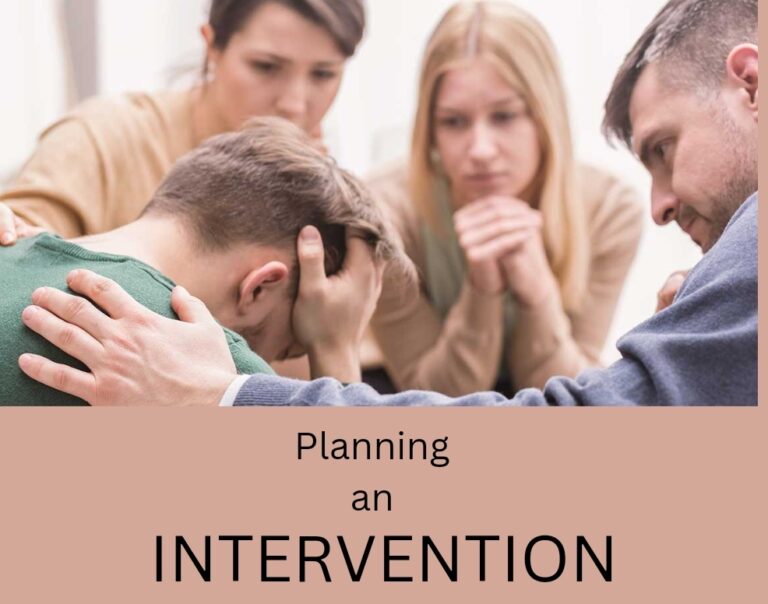
SOME OF THE IMPORTANT STEPS OF AN INTERVENTION

When a professional interventionist is working with a family, there are some steps that are vital to a successful process. Here are just a few:

1. Building a strong Intervention Team- The team normally consists of specific family members and/or friends who are committed to the process. These are loved ones who will work together and present a united front in order to deliver a strong message. A message that says, “we love you, we are here for you, we want change for our whole family, we will support your efforts to recover 100%, but we will no longer support your addiction.”

2. Treatment Planning- While preparing the family for the intervention, the Interventionist will be working on a treatment plan. This is done with the families input and with careful consideration of the families health insurance and finances. It is important to have a treatment plan in place so that when their loved one accepts help he/she can get right to work on their recovery.

3. Education: The family should learn about the nature of addiction, the nature of enabling and also on how to set healthy boundaries. It is very important to help the family have a better understanding of addiction. It is also very important to identify ways that they’ve utilized to try an address the problem that may not be working. Learning a new approach, perspective and way to communicate are key!

4. Letter writing: Letters are typically used during the actual intervention meeting. A template is provided to the family along with support and guidance, so that what is drafted will be impactful upon reading it to their loved one.

These are just four examples of some of the very important steps needed in order to conduct a successful intervention. It is always best for the family to hire a professional and not try doing this process on their own. They may only have one chance at doing it right.

Please contact me, Joe Ortiz, to learn more. You can call me at 732-599-7817 or fill out the private contact form on this website. Thank you!

Joe Ortiz
Interventionist
Certified CRAFT Method
Certified Break Free Method

RELATED POSTS

SOME OF THE IMPORTANT STEPS OF AN INTERVENTION Read More »

YES, IT WORKS. YOU ARE WORTH IT. YOUR FAMILY IS WORTH IT!

An Intervention.

One simple word, but yet it evokes such a vast range of emotions. Fear, anxiety, hurt, pain, and bitterness can all keep us from taking this step in addiction recovery. Thoughts that swirl through the mind when contemplating an intervention could include:

  • What will they do?
  • What will they say?
  • What should I say?
  • What if I screw it up?
  • What if they hate me?

This mental narrative can prevent us from taking necessary action. 

YES, IT WORKS. YOU ARE WORTH IT. YOUR FAMILY IS WORTH IT.

Joe Ortiz
Interventionist
Certified CRAFT Method
Certified Break Free Method

RELATED POSTS

YES, IT WORKS. YOU ARE WORTH IT. YOUR FAMILY IS WORTH IT! Read More »

Scroll to Top
Privacy Overview

This website uses cookies so that we can provide you with the best user experience possible. Cookie information is stored in your browser and performs functions such as recognising you when you return to our website and helping our team to understand which sections of the website you find most interesting and useful.