INTERVENTION: A SUCCESS STORY

Often, when families reach out to me for help, they are at their very end. Meaning, they have tried everything they could think of and yet have not been able to convince their loved one to accept help for their addiction. The family is exhausted and feeling utterly hopeless. Sometimes, they decide to go through an intervention process as a “last ditch effort”. The “final box” to check off in order to be able to say, “We’ve tried everything. This is it.”  

Recently, I worked with one such family. I was hired by the eldest of two sons, both of whom are in their mid to late twenties. Their mother had been drinking alcoholically for many years and they were going to make one final attempt to help her. For the purposes of this writing, I will call her Abby.

Throughout the years, there had been many ugly scenes in Abby’s house. There were arguments and hurtful things said. There were falls resulting in broken bones, and other health challenges due to the drinking. The family was on the verge of collapse. Her husband had filed for divorce, which pained him greatly because he still loves his wife very much.

The four of us got to work and prepared carefully for the intervention. With my help, and support they did a great job in getting ready. We set a date and time and met with Abby.

Abby reluctantly participated in the conversation. With my help she was able to listen to her family. Her son’s and her husband were able to express their love and concern, and how her alcoholism was affecting them. They expressed how they wanted to see her happy and healthy and how they needed change. By the end of our meeting, we were able to help Abby see the reality of her life. We were able to overcome her denial. We convinced her to accept help for her drinking. 

That was four months ago and I’m happy to say that Abby is still sober. She is actively engaged in her program of recovery. Her husband has put the divorce on hold. Her sons are happy to have their mom back. They all have some work cut out for them but there is a new found peace in their home.

I believe Abby accepted the fact that she has a real problem. I believe she is committed to recovering. I can see it in her eyes and hear it when she speaks. I believe that this family is on the road to recovery!

Love and light to you all! 

Joe Ortiz
Interventionist
Certified CRAFT Method
Certified Break Free Method

RELATED POSTS

INTERVENTION: A SUCCESS STORY Read More »

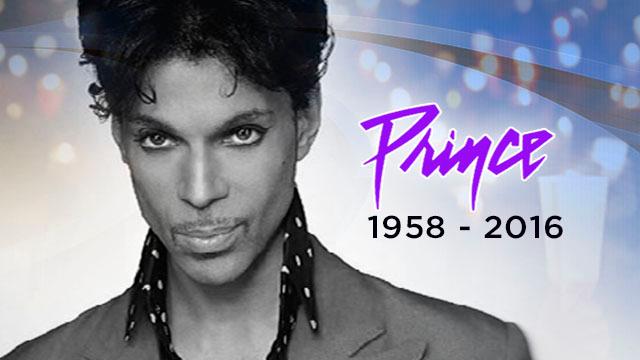
THE DAY WE LOST PRINCE TO FENTANYL

Seven years ago, on April 21, 2016, the world lost one of the most talented musicians and artists of our time, Prince Rogers Nelson. Millions of people were stunned by Prince’s sudden passing. Millions of people all around the world mourned him. How could this amazingly talented, prolific, trailblazing, living legend die so suddenly? Eventually, we would all learn that a hidden addiction to the opioid fentanyl was what ultimately took his life. His official cause of death was declared to be an “accidental fentanyl overdose”.

For me, Prince’s death was personal. When he died, I felt as if I had lost a close friend. You see, I have been a Prince fan since I was 16 years old. For most of my life he has been my musical hero. I bought all his albums and saw him in concert at least 15 times. I remember exactly where I was and what I was doing when I found out about his passing. A close friend had text me saying, “I’m sorry about Prince. Are you ok?” Yes, that is how much this awesome man meant to me. Other friends began to call and check in on me and continued to for several days. I’m not ashamed to say that I was a wreck for the next four days.

What can we learn from Prince’s death? We can learn about the fact that this same tragedy happens every day and to all sorts of people. Like so many in our country and in the world, Prince became addicted to opioids after they were prescribed to him by physicians. Prescribed to manage his chronic pain. Specifically, hip pain which he acquired through his many years of dancing and famous splits.

In the same way as Prince, thousands of folks, with no previous history of addiction, are prescribed these medications and end up becoming physically and mentally dependent on them. Eventually, their doctors catch on to this fact and stop prescribing the opioids to their now addicted patients. This often leads to these people seeking out the drug on the streets, where you never know what dose you’re going to get or if it’s going to be a fatal one.

I want to pause here and say that in my opinion, the vast majority of physicians writing these types of prescriptions, are trying to help their patients and not hurt them. In no way am I trying to villainize all the good doctors out there. No way. Not at all.

I have spoken to countless people who unknowingly became addicted to opioids or have lost someone to an opioid overdose. I have met executives, millionaires, hospital administrators, and high school athletes who sustained an injury or required some type of surgery and eventually ended up addicted to opioids because they were prescribed to them for pain. Most of them had never struggled with any type of Substance Use Disorder prior to this. Sadly, some of them were not able to recover from their addiction and eventually suffered an overdose, leaving hearts broken and lives changed forever.

We must end the stigma that still exists around Substance Use Disorder or Addiction. This can happen to ANYONE. No one grows up wanting to become dependent on drugs and/or alcohol. Most times, we don’t see our addiction coming. We only realize it once we are already in the grips of it and when we try to stop, we find it to be nearly impossible. I hit a terrible bottom and nearly died because of my addiction and even then, I had a very hard time recovering. In recovery circles, it is said that addiction is cunning, baffling, and powerful. I can fully attest to that and many others can too! BUT…..Recovery is Possible! I see it happen every day!

If you are struggling with an opioid addiction or have a loved one who is struggling please don’t hesitate and take action now. There is help and there is hope! You are not alone! Whether its treatment or an intervention that you need, call me at 732-599-7817.

Thank you for the lessons you taught us, Prince. The lessons you taught us in your music, your life, and even in your passing.

Love and Light to You All!

Joe Ortiz
Interventionist
Certified CRAFT Method
Certified Break Free Method

RELATED POSTS

THE DAY WE LOST PRINCE TO FENTANYL Read More »

FINDING PEACE IN RECOVERY

Let’s face it. Early recovery can be hard. The substance you relied on and became so dependent on is gone. The drug or alcohol that acted as your crutch to deal with life is no longer there. This fact can produce an incredible amount of anxiety and fear. It takes time to learn new coping methods and as you do, you may feel like you’ll never achieve any type of peace or happiness again. The good news is that if you work at your recovery with all you’ve got, you will find the peace that you so much yearn for.

Below are some of the important things that I learned to do and still do as a part of my daily life in recovery.

Meditation

Meditation is something that is currently taught in most treatment centers. It is a wonderful way of tuning out life’s distractions, being in the moment, and accepting where you are in life. Whether it is fifteen minutes of focused attention meditation or more formal practices such as Zen or Kundalini, mediation practice can be a beautiful daily experience that greatly enhances a persons recovery. Not all meditation practices require you to be on the floor in a particular physical position and remember that meditation can be done anywhere and at any point of your day.

Spirituality

Oftentimes finding peace in recovery and in our personal lives requires us to look beyond ourselves. Incorporating spiritual practice in our lives is an excellent way to develop humility, keep our egos in line, and make us realize there is a greater power operating in our lives. Whether it is through the practice of Christianity, Buddhism or another spiritual philosophy, having a spiritual foundation can calm us during times of uncertainty and reminds us of the good things in life we have right now–no matter how big or small.

Peer Support

Whether by means of a 12 Step program or a faith based support group, peer support can be an invaluable part of a persons recovery. There is nothing like speaking with and sharing experiences with someone who has literally walked in your shoes. No one understands a recovering addict or alcoholic like another recovering addict or alcoholic. There is a special and unique understanding between such folks. I for one love speaking with my friends in AA, whether in good times or in bad. They are there for me and I am there for them through thick and thin!

Patience and Acceptance

In recovery circles or programs you will often hear the phrase, “progress not perfection”. Recovery is not a one time event. It is a process and a journey that requires time for growth. It is a process that will continue throughout an individuals lifetime. After years of not being very good to ourselves we need to learn to be patient and kind to ourselves. We must learn to truly take care of ourselves. Perhaps the most powerful way to find peace of mind in recovery is to learn to love yourself and truly accept yourself. We all have faults, but we also have many positive qualities. Focus on the positive and spend time appreciating your gifts. Every day we should look in the mirror, look into our own eyes, and say to ourselves, “I love you. I will take care of you and be kind to you today. You deserve to be happy, healthy, and at peace.”

Love and Light to You All!

Joe Ortiz
Interventionist
Certified CRAFT Method
Certified Break Free Method

RELATED POSTS

FINDING PEACE IN RECOVERY Read More »

THE CHALLENGES OF EARLY RECOVERY

The Challenges of Early Recovery

Upon being discharged from the treatment facility I was in for 45 days, I was in a word….terrified. My therapists in the facility did their very best to prepare me for my day of discharge and what followed. They taught me about relapse prevention, the importance of aftercare, attending AA meetings, and more.

But, why was I experiencing the amount of anxiety that I did upon discharge and in my early days of recovery? The answer is simple really: I had come to rely on alcohol to get me through EVERYTHING for a very, very, long time. 

If I had a stressful day, I drank to ease my stress. If I had a good day, I drank to reward myself. If I was on a special occasion, I felt that I could not enjoy it unless I drank. If I had a disagreement with my wife, I drank. If I was bored, I drank. You can add many more scenarios and situations to the list. This is how I coped with life for twenty years. I had become completely dependent on alcohol and now upon leaving rehab, my biggest crutch was gone!

I cannot stress enough the amount of anxiety, nervousness, and fear that I was plagued with during the first several months of my recovery. Even though I had also come out of rehab very excited about a life without any more alcohol.

Here is some of what I did in order to stay safe and continue what I had begun in rehab:

  • I continued Therapy in an Outpatient Program. Very Important. I still needed professional support.
  • I went to AA Meetings pretty much every day or as often as possible and became active in the program including getting a sponsor to help me through the program of recovery found in the 12 Steps.
  • I avoided certain people, places, and things for a time. Such as people I formally drank heavily with, bars, and certain types of gatherings where I knew that there was going to be heavy drinking, I avoided people and/or situations that caused me stress and had the potential of triggering a relapse.
  • I made new sober friends and leaned on them for support. Typically, folks that I met in AA. We’d go out to eat after a meeting, go on AA speaking commitments together, get together with each other’s wives and families, and more.
  • MOST IMPORTANTLY: I learned to live life differently and with New Coping Skills. I learned to live life Positively, Productively, Lovingly, and Happily. A New Lifestyle!

These are some of the things I did to get sober and stay sober! I now live a relatively peaceful and serene life as a result. I’m not saying that it doesn’t take a significant amount of work. It certainly does. But it’s so worth it!

I hope this helps you and gives you HOPE!  Because there is Help and there is Hope! All we have to do is reach out and ask for it!

Do you have a loved one who needs help taking these steps but is afraid, in denial, or resisting help/treatment? I can help! 

For more information and for a free 30-minute consultation please call me at 732-599-7817.

Love and Light to You All!

Joe Ortiz
Interventionist
Certified CRAFT Method
Certified Break Free Method


RELATED POSTS

THE CHALLENGES OF EARLY RECOVERY Read More »

WHY AN INTERVENTION SHOULD BE FIRST

After doing your research on addiction treatment centers, you’ve found the facility that you believe best suits your loved one’s needs. The question that follows is:  

Now, how do I get my loved one to agree to this treatment?  
Maybe you’ve tried before, and he/she has said “no”. When you’ve approached them, they walk away and don’t want to talk about it. They deny having a problem. Even though it’s very clear that they do. Arguing, compromising, and even pleading have not worked. 

This is where an intervention can make a very big difference.
An Intervention is a well-planned and executed conversation with the aid of a professional. This conversation will be unlike any you’ve ever had before. Your family will be prepared and better equipped to deliver a new message to your loved one. A message that says: “We love you and we will support you 100% in your efforts to recover, but we will no longer support your addiction.” “We won’t enable you anymore and we need you to get help”. “Our family wants change and that change begins today.

 professional interventionist will guide your family and provide education and insight on the disease of addiction and will help your family understand your loved one’s behaviors and their own (enabling and boundaries), and set goals for ongoing recovery. All along providing your family with the support they need.  

Of course, all that is said during an intervention is said with a whole lot of love. However, it is also said with firmness, purpose, and determination. 

Need help preparing for a family Intervention? Please contact me at 732-599-7817 for a free 30-minute consultation. 

Best,

Joe Ortiz
Interventionist
Certified CRAFT Method
Certified Break Free Method

RELATED POSTS

WHY AN INTERVENTION MAY BE THE NEXT RIGHT STEP Read More »

INTERVENTION: BOUNDARIES VS CONSEQUENCES

When working with a family and preparing them for an intervention, two very important topics are discussed at length. These topics are Boundaries and Consequences.

Boundaries are something that each family member puts into place in order to begin positive change in their own lives. Boundaries are protecting oneself and taking care of oneself. In other words no longer allowing  unhealthy and negative behaviors to dictate the course of your life.  

One example of a boundary can be saying, “Going to a movie with you when you are intoxicated is not enjoyable for me. It makes me feel very uncomfortable and anxious. Therefore I will not be going to a movie with you if you are under the influence. I’ll go with a friend instead.”  In this case, you are making the decision to not put yourself in an uncomfortable position, in order to truly have the fun and relaxing time that you deserve. 

Consequences are something different. A consequence is not a punishment. We do not punish adults, we punish children. instead, a consequence is allowing our loved one to experience the natural consequences of poor decision making. The poor decisions that are being driven by their active addiction. 

An example of a consequence would be no longer allowing the use of your car. Example: You have a son or daughter that borrows your car or even takes your car at will. Sometimes to go purchase drugs and/or alcohol. You can say, “Son/daughter, that car belongs to me and is insured in my name. You are often intoxicated when you choose to drive it. I also suspect that you are using it to go and buy drugs and/or alcohol. Therefore as of right now you are no longer allowed to use my car. You can take an Uber or a taxi if you need to go somewhere and I won’t be paying for it either.”  From that point forward you make sure that your loved one no longer has access to the car keys. This an example of what is a consequence and a boundary. Another example of a consequence is to not bail a loved one out of jail again. Maybe for the 10th time. No more rescuing!

If we do not allow our loved one to experience the natural consequences of their active addiction, then why would they change? They have no reason to! It is boundaries and consequences that will typically cause a person with an addiction to want to change and recover.

Remember that whatever boundaries and/or consequences are put into place, they must be followed through on. Otherwise, they are just empty words. If nothing changes, then nothing changes.

I hope that you find this information helpful. For more and a free half-hour consultation, please call me at 732-599-7817.

Love and light to you all!

Joe Ortiz
Interventionist
Certified CRAFT Method
Certified Break Free Method

RELATED POSTS

INTERVENTION: BOUNDARIES VS CONSEQUENCES Read More »

HOW TO CELEBRATE NEW YEARS SOBER

New Year’s Eve, like so many other holidays, is often steeped in drinking culture. Many attend parties where drinking is expected, and celebrate the New Year at midnight with champagne. For those in early recovery, it may feel like New Year’s Eve is a holiday that doesn’t mix well with sobriety. However, being sober doesn’t mean you can’t celebrate. There are several ways one can have a sober New Year’s Eve while still having fun.

Host Your Own Sober Party

One of the best ways to cut the booze out of New Year’s Eve would be to throw your own party. This would allow you to keep things sober. The party can be large or small, and can be relegated to close friends and family. It may be a good idea to invite those who you know are supportive of your recovery efforts. 

There are also ways to make the New Year’s Eve party fun and exciting without booze. For example, you could give the party a 1920s theme, and focus on creating ambience and encouraging dancing. You could also host a party game, like hosting a murder mystery night. Overall, there are plenty of ways to organize a sober New Year’s Eve party.

Take a Vacation for a Sober New Year’s Eve

New Year’s Eve is also a great time to take a vacation. You won’t be expected to attend a New Year’s Eve party if you’re away from home. While vacations can be expensive, they can also be a great way to start off the New Year. Time off from work and your usual routine can be an effective way to disconnect from your life. Spending time relaxing can help foster better mental health in the New Year.

There are plenty of places to go on a sober vacation during winter. Maybe you and your friends could organize a ski trip during the New Year. Perhaps you want to escape the winter weather by heading south. There are also several countries that don’t celebrate the Gregorian calendar New Year, and hence can make great destinations to avoid the New Year’s celebrations.

Keep it Small for a Sober New Year’s Eve

One of the best strategies would be to keep whatever sober gatherings you have small. When in early recovery, you’ll want to surround yourself with caring and understanding individuals. Friends and close family members that are supporting you during your recovery may be willing to help you through New Year’s Eve.

There are dozens of sober activities you can do with close friends. For example, maybe instead of watching the ball drop you want to host a movie night, filled with junk food and soda. Or perhaps you’d rather spend time with your friends hiking or doing a team activity like an escape room. Cooking is always another good way to spend time with close friends. Organizing a bake-off or preparing a grandiose dinner can be a great way to spend the evening.

You’re Not Alone

Whichever strategy you opt for to have a sober New Year’s Eve, it’s important to know that you’re not alone. There are millions around the globe who are struggling with alcohol and drug addiction and spend New Year’s Eve sober. While sobriety takes resolve, there’s nothing about it that means one cannot have a good time. By following the guide above, you can have a safe, healthy, sober, and fun New Year’s Eve celebration.

Addiction is a family disease. Recovery is the family solution. Happy New Year to you all!

Joe Ortiz, Interventionist

Joe Ortiz
Interventionist
Certified CRAFT Method
Certified Break Free Method

RELATED POSTS

HOW TO CELEBRATE NEW YEARS SOBER Read More »

WHY DO DRUG DEALERS LACE OTHER SUBSTANCES WITH FENTANYL?

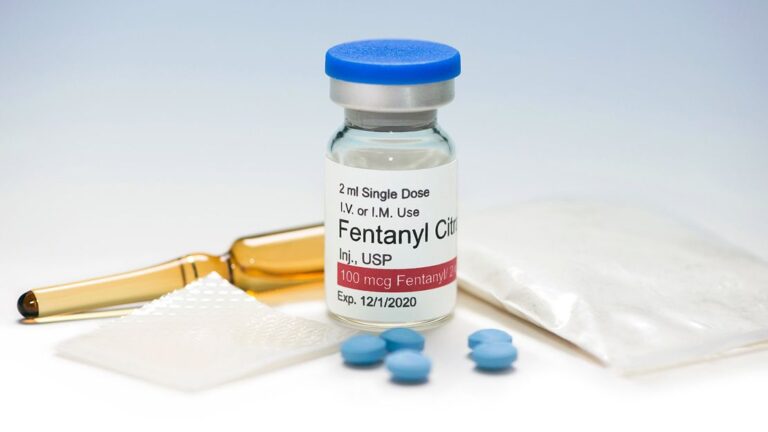
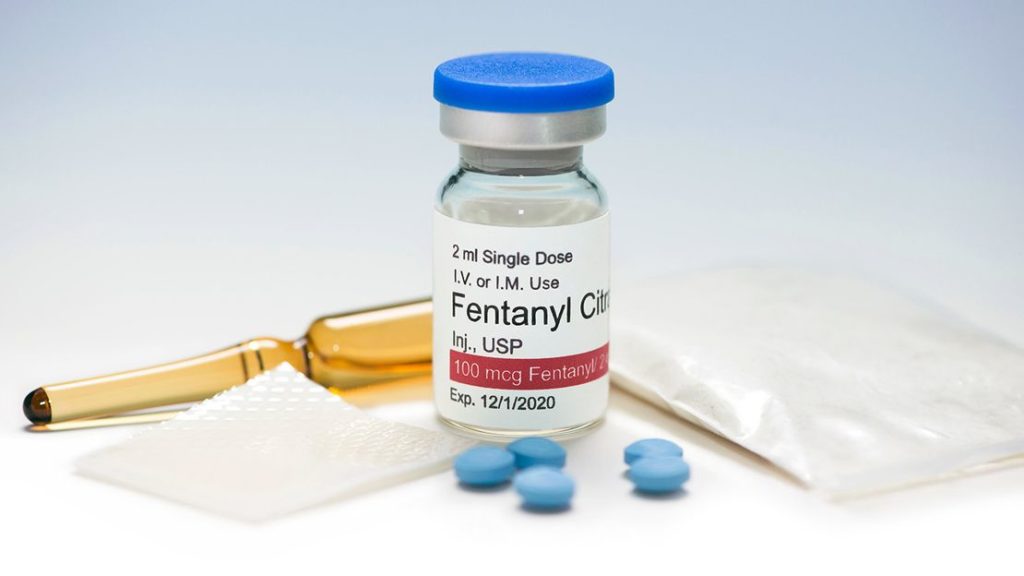
Fentanyl is a synthetic opioid that is 50 times stronger than heroin and 100 times more potent than morphine. According to the CDC, this substance is a major contributor to overdoses that occur in the United States.

While there are two different types of fentanyl (pharmaceutical fentanyl and illicitly manufactured fentanyl) most cases of fentanyl-related overdoses stem from the illicit form. Pharmaceutical fentanyl is used to treat severe pain, while the illicit form of the drug is typically used as an adulterant in other drugs.

According to the CDC, “Over 150 people die every day from overdoses related to synthetic opioids like fentanyl.” Because of this, people must be aware of the fact that drugs are often laced with fentanyl and understand why drug dealers do this.

What Drugs are Commonly Laced With Fentanyl?

Fentanyl is often mixed in with other substances, making this drug extremely dangerous. Fentanyl is a highly potent opioid drug, as only a small amount of the substance can lead to a fatal overdose.

Fentanyl is often an adulterant in the following drugs:

  • Powdered drugs like cocaine or heroin
  • Capsules of drugs like molly
  • Pressed pills meant to mimic medications like Xanax or Oxycodone

Experts consider 2 mg of fentanyl to be lethal, but many counterfeit pills contain up to 5 mg (more than twice the lethal dose).

While this may sound like a lot, this is actually a very small amount of fentanyl. For example, 2mg of fentanyl doesn’t even equal the size of a penny. This means that overdosing on the drug is extremely easy.

All drugs that are sold illicitly have the potential to be laced with fentanyl. While some drugs are more commonly adulterated with this substance (like Xanax or Oxycodone pills) they can be found in any type of drug. Even though fentanyl is an opioid, it may be found in other forms of drugs like benzodiazepines, stimulants, and amphetamines.

Why Do Drug Dealers Lace Drugs With Fentanyl?

Drug dealers have been using fentanyl as an adulterant since 1979. While it was less common back then, the number of laced drugs has risen substantially. From May 2020 to April 2021, more than 100,000 Americans died from a drug overdose and over 64% of those deaths were due to synthetic opioids like fentanyl.

But why do drug dealers lace other drugs with fentanyl? If the drug is so potent that it has the potential to kill off customers, what is the gain?

Most of the time, drug dealers are mixing other drugs with fentanyl because it costs them less money, creates a more potent high, and increases their loyal customer base.

Potency

Fentanyl is 100 times more potent than morphine, making it extremely powerful. This is one of the many reasons that drug dealers use the substance as an adulterant in other drugs.

Using fentanyl to lace other drugs allows drug dealers to stretch out their products. Adding fentanyl to a substance means that the drug dealer can sell less of the actual product, as fentanyl makes drugs feel more potent. Increasing potency also makes the user feel like the product they are buying is quality, making them return to the dealer for more.

Cost

Because fentanyl is so potent, it only takes an extremely small amount. As mentioned above, only 2 mg of fentanyl can kill a person, meaning most dealers will use less than 2mg of fentanyl as an additive in their drugs. This allows drug dealers to cut their cost of production, allowing them to make more money off of the drugs they sell.

Building a More Reliable Clientele Base

When a drug dealer adds fentanyl into a substance, it becomes a lot more potent. People who use drugs are looking for substances that create a strong high. Fentanyl makes drugs more addictive than they already are because they are stronger and more appealing to some drug users.

This combination of factors helps drug traffickers build a larger base of reliable, loyal customers, who keep coming back for more.

How to Know if a Drug is Laced With Fentanyl

Fentanyl comes in many different forms, but drug dealers usually use liquid or powdered fentanyl as an adulterant in their drugs. Unfortunately, fentanyl does not have a distinct smell, look, or taste, so many individuals have no idea that their drugs are tainted with the substance.

The only surefire way to tell if your drugs are laced with fentanyl is to use fentanyl testing strips. People who routinely abuse illicit drugs can avoid overdose by testing their drugs with fentanyl testing strips.

According to the CDC, “Test strips are inexpensive and typically give results within 5 minutes, which can be the difference between life or death.”

If someone takes drugs that are tainted with fentanyl, they may experience the signs of a fentanyl overdose. If someone displays the following signs, emergency medical services must be contacted immediately:

  • Small pupils
  • Falling asleep or losing consciousness
  • Slow, weak, or stopped breathing
  • Choking or gurgling sounds (death rattle)
  • Limp body
  • Cold, clammy skin
  • Bluish-colored skin (especially on lips and nails)

Naloxone (Narcan) should also be administered, if available, in the event of a fentanyl overdose.

Finding Help for Drug Addiction

If you or a loved one abuses illicit drugs, it’s time to seek help. Many drugs on the street are being mixed with a dangerous substance known as fentanyl, which can cause a fatal overdose after only taking a small amount of the drug.

If you or a loved one are struggling with addiction, there is no better time to get help. Contact me, Joe Ortiz, if you or someone you love needs assistance at 732-599-7817. Transcend Intervention is the start of your loved one’s recovery.

Joe Ortiz
Interventionist
Certified CRAFT Method
Certified Break Free Method
RELATED POSTS

WHY DO DRUG DEALERS LACE OTHER SUBSTANCES WITH FENTANYL? Read More »

TIPS FOR HOLIDAY SOBRIETY

How to Survive the Holidays Sober Together

Maintaining sobriety can be especially hard during the holiday season when you can feel pressure from family or colleagues to indulge. Here are some ways to resist peer pressure and honor your commitment.

Prepare yourself. Be prepared for people to notice and ask questions or make assumptions. You can practice your response ahead of time to help you feel more comfortable in claiming your sobriety as a personal choice. You don’t have to go into a long explanation. If anyone asks why you’re not drinking, you can simply state that you’re “living a healthier lifestyle which doesn’t include drinking”.  If people continue to pressure you, politely say “no thank you” and walk away to engage with others and enjoy yourself. 

Manage “FOMO.” You may feel a “fear of missing out” or like you don’t belong anymore, especially if the gatherings have a heavy emphasis on drinking. Root into your reasons for choosing sobriety and celebrate that you are being true to yourself.  Some folks in early recovery (or even later stages of recovery) chose to arrive a little late to the gathering and leave a little early. This way they can enjoy the party but not feel overwhelmed.    

Take the spotlight off you. People love to talk about themselves. If you feel especially self-conscious without any “liquid courage,” take a moment to soothe and calm your nervous system by taking some deep breaths. Then as you look around the room, describe three things you like. Next, try asking people questions and focus on really staying present. In this age of distractions, people crave undivided attention. Your genuine interest is a gift they will remember. 

Trust that in time all of this will get easier. If you are the host, let guests know that alcohol will not be provided and that they should bring their own if they want it. You don’t need to feel bad or embarrassed. Some guests sometimes bring alcohol to a gathering. Other times they also chose not to drink. As time goes by, each outing and gathering will get easier!

If you or a loved one are struggling with alcohol and/or drugs and you’d like some help, please call me. Let’s come up with a solution together! Please contact me, Joe Ortiz, to learn more. You can call me at 732-599-7817 or fill out the private contact form on this website. Thank you! 

Joe Ortiz
Interventionist
Certified CRAFT Method
Certified Break Free Method

RELATED POSTS

TIPS FOR HOLIDAY SOBRIETY Read More »

HOLIDAY INTERVENTIONS

Should I wait to do an Intervention until after the holidays?

When a person suffers from a substance abuse disorder, some members of his or her family and friends may think that it would be better to wait until after the holiday season is over to stage an intervention. However, the fact is that delaying an intervention for any reason at all increases the chances of an addiction further spiraling out of control. Addiction is progressive disease and only gets worse as time passes.

Why Conducting an Intervention During the Holidays Can be Particularly Effective:

1. Addiction doesn’t stop when the holiday season starts.

The holidays are a time that people look forward to; however, the season can be stressful, as well. It’s not uncommon for someone with a substance abuse problem to increase the amount that they use or drink during this time of year. They may be attending several social events or have vacation time during the holidays, which allows for more time to consume even more alcohol and/or their drug of choice.


2. Waiting won’t make the situation any better.

If you’re waiting for the “right” time to approach your loved one about their addiction, there really isn’t one. The saying, “There’s no time like the present” applies to scheduling an intervention. You may have heard that someone with substance abuse issues needs to “hit rock bottom” or “needs to want help” before an intervention can be successful. Both statements are myths. While waiting for someone with addiction to hit their personal rock bottom, they may be involved in an auto accident that will injure themselves or someone else, lose their job, lose their home or experience some other negative life event. It isn’t likely that your loved one will decide that they want help to stop their addiction. They will continue to drink or use drugs, and the addiction will become more ingrained and harder to treat.

3. Holidays are a good time to gather family and friends for the intervention.

When you’re putting together the team of people who will be participating in the intervention, ask yourself whether there is anyone whom your addicted loved one may hold in particularly high esteem. If so, make a point of asking this relative or childhood friend, who may not have seen your loved one for some time, to attend the intervention. Their memories of your loved one before the addiction took hold and hope for a sober future may help to influence them to make a positive change.

4. The holiday season is a time for gift-giving. Through an intervention, your family can help to give the gift of sobriety.

Your loved one did not start their drinking or substance abuse with the expectation of developing an addiction. No one who picks up a drink or uses drugs ever does.

Most people who have a substance abuse problem need help to stop. Holding an intervention over the holiday season sends a powerful message that your family is not prepared to stand by and let your loved one continue on the same path any longer.

Transcend Interventions provides alcohol, drug, mental health and eating disorders Intervention for all who are struggling. Clients receive an individualized Intervention which focuses on Recovery for the whole family and especially their afflicted loved one. The Intervention process will begin everyone’s healing and set them on new ground. Family and Friends will learn a new perspective and approach to the problem to help them all get better.

These are just few reasons why RIGHT NOW is the time to help your addicted loved one. It is always best for the family to hire a professional and not try doing this process on their own. They may only have one chance at doing it right.

Please contact me, Joe Ortiz, to learn more. You can call me at 732-599-7817 or fill out the private contact form on this website. Thank you!

Joe Ortiz
Interventionist
Certified CRAFT Method
Certified Break Free Method

RELATED POSTS

HOLIDAY INTERVENTIONS Read More »

Scroll to Top
Privacy Overview

This website uses cookies so that we can provide you with the best user experience possible. Cookie information is stored in your browser and performs functions such as recognising you when you return to our website and helping our team to understand which sections of the website you find most interesting and useful.